Wind River - Upper Bighorn River Wyoming Hatch Chart
Central Wyoming. The Wind River leaves the mountains near Dubois, runs the valley toward Riverton and Boysen Reservoir, then drops through Wind River Canyon. At the Wedding of the Waters below Thermopolis the name changes to Bighorn, though the water does not. One river, two names, three kinds of fishing: wild cutthroat and browns in the upper valley, the canyon and warm-spring water at Thermopolis, then the Bighorn as it heads north through the basin. Reservation land lies across the middle of that journey.
Check current Wyoming Game and Fish rules and, on reservation water, Eastern Shoshone and Northern Arapaho Fish and Game rules before you go. On state water in this drainage, the usual stream limit is three trout, only one longer than 16 inches, unless a special exception applies. The East Fork of the Wind, including Bear Creek and Wiggins Fork, is flies and lures only - release all cutthroat there. On the Wind River Indian Reservation a tribal fishing permit and recreation stamp are required; a Wyoming license is not enough. In 2026 the Wind River outside the canyon is generally open April 1 through September 30. Wind River Canyon is open year-round. Those dates can change.
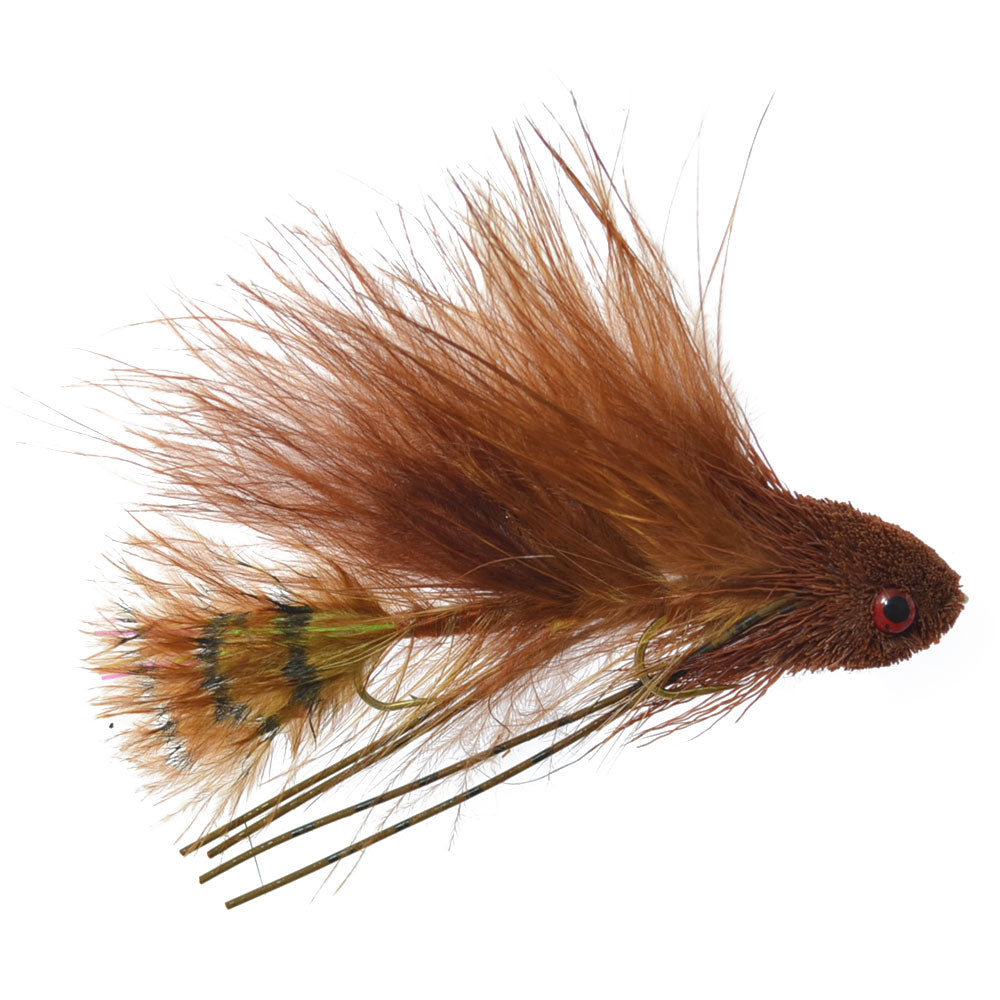
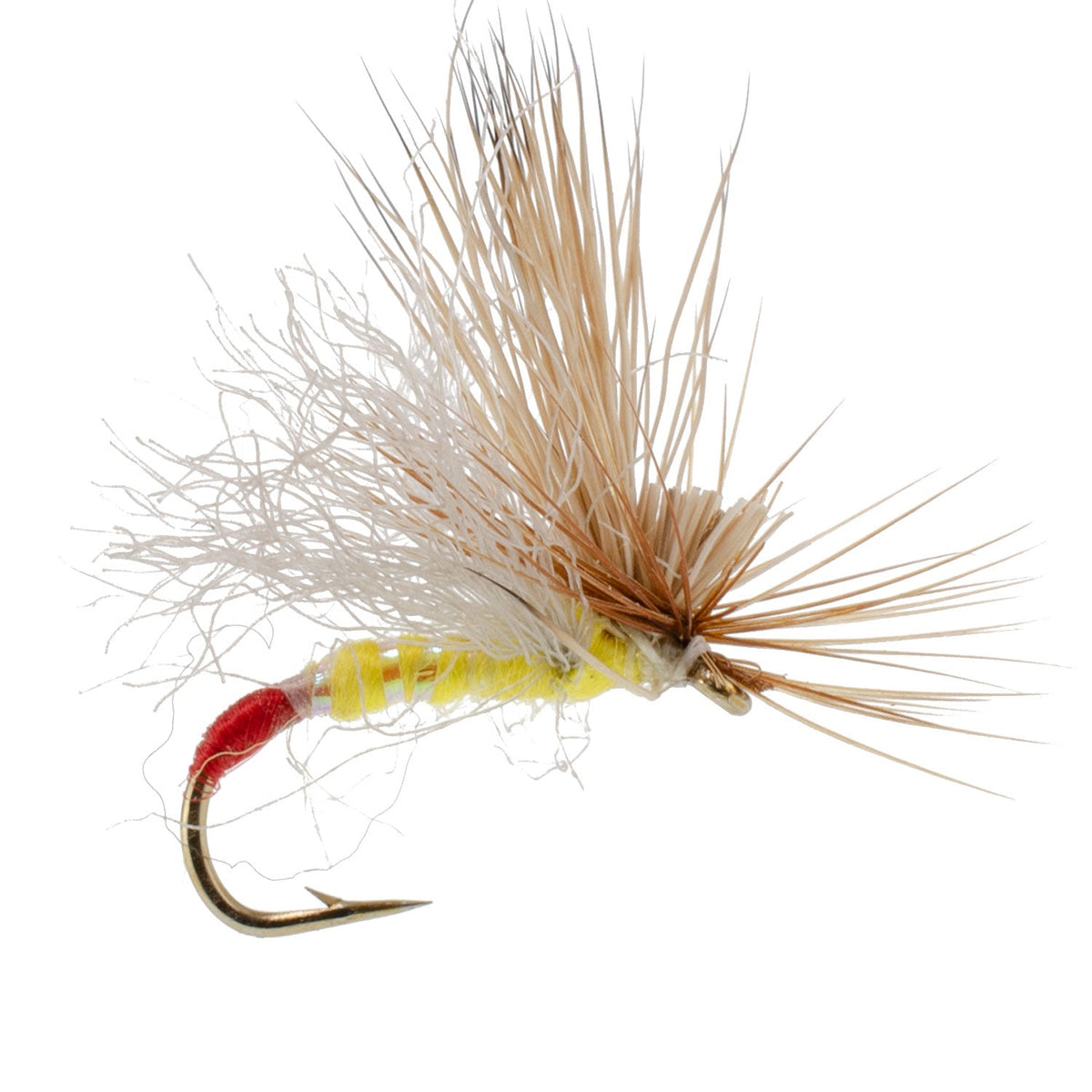
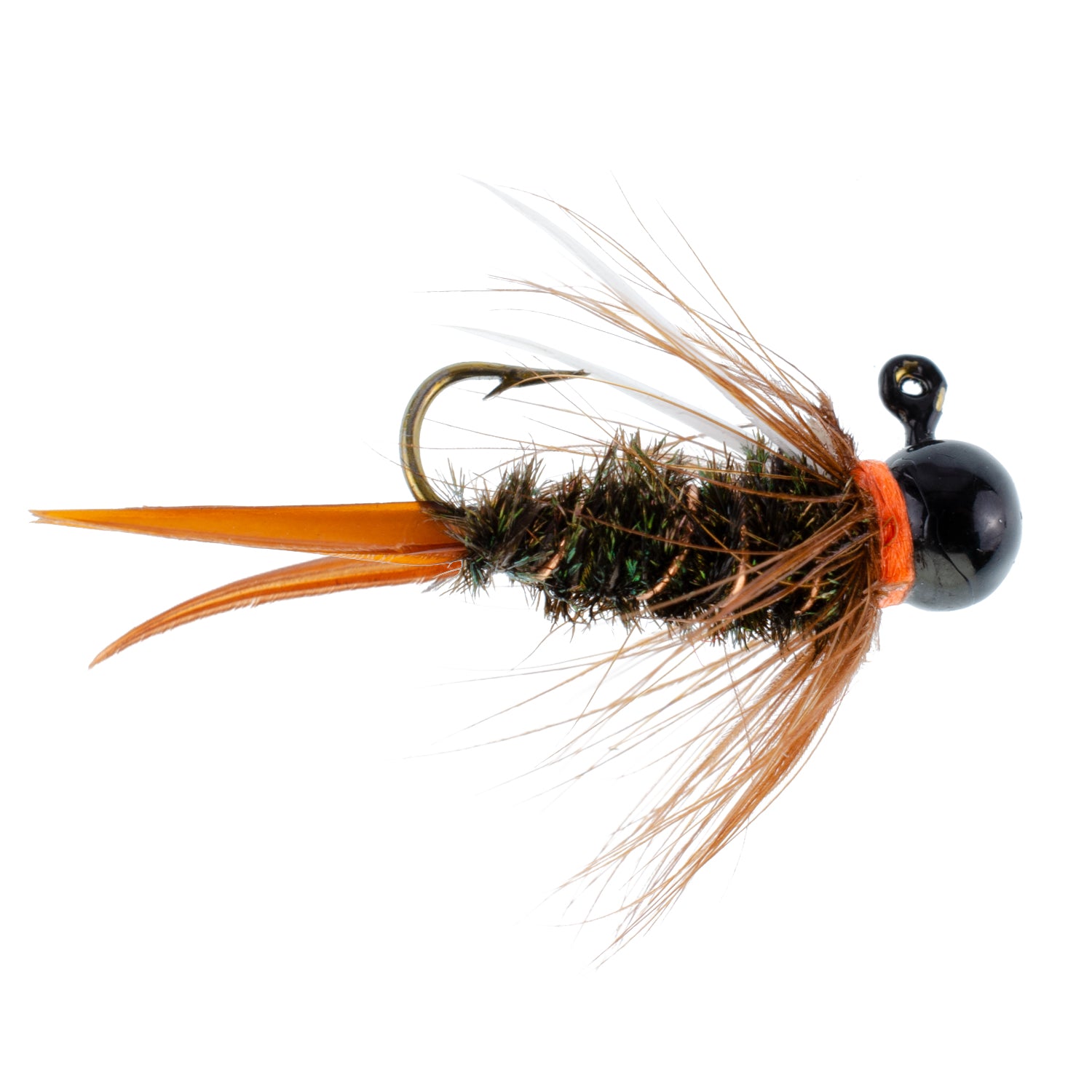
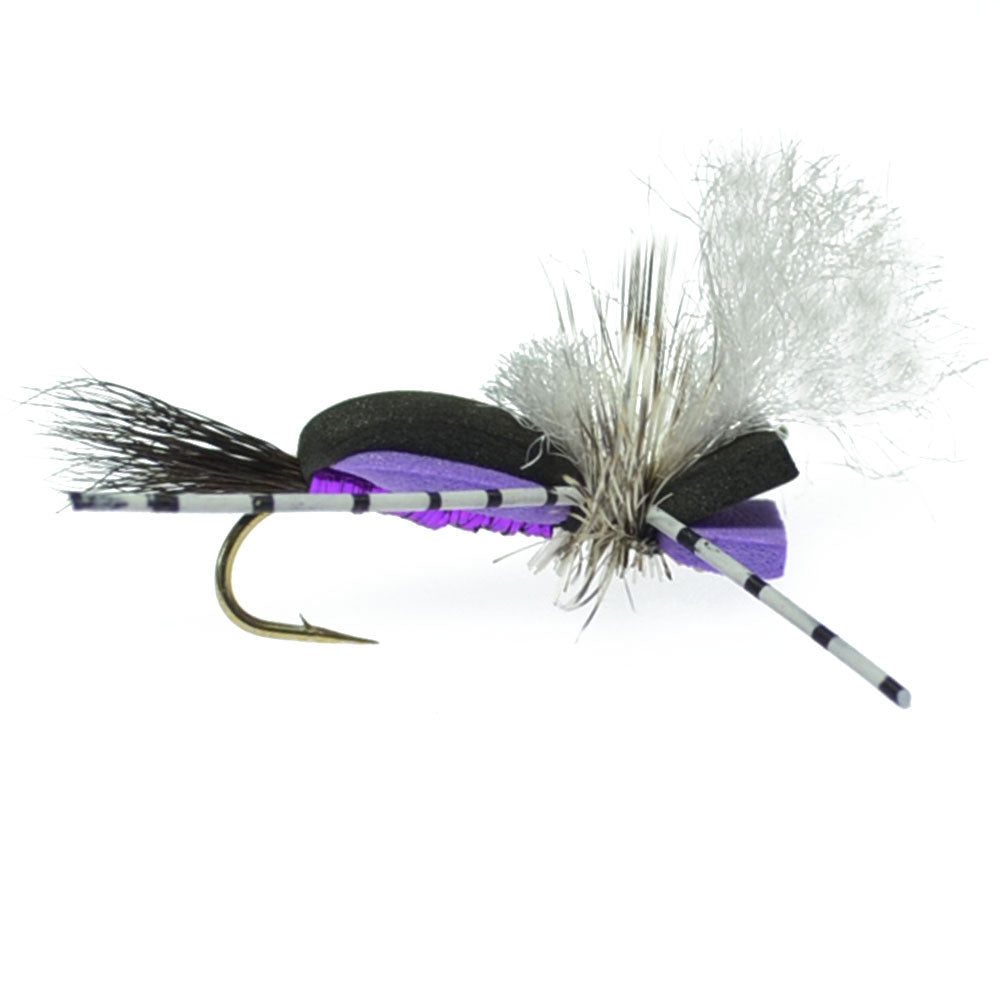
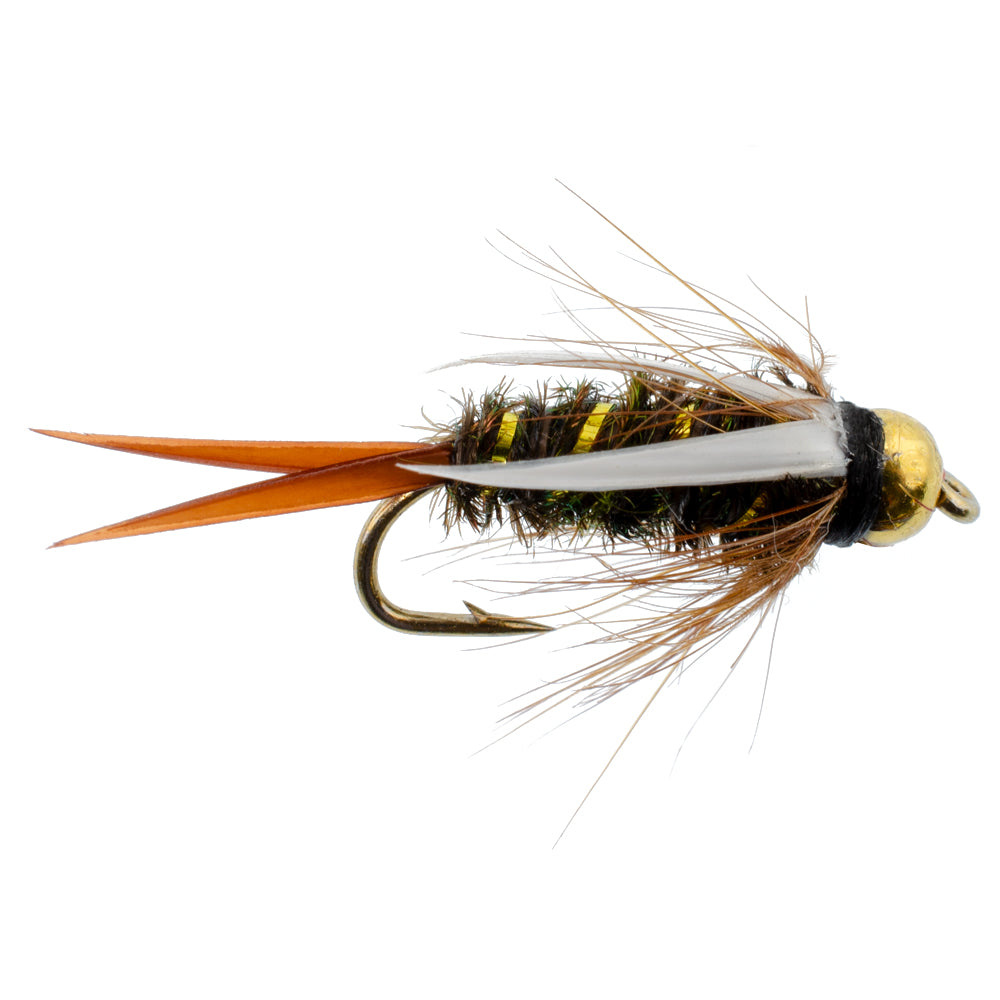
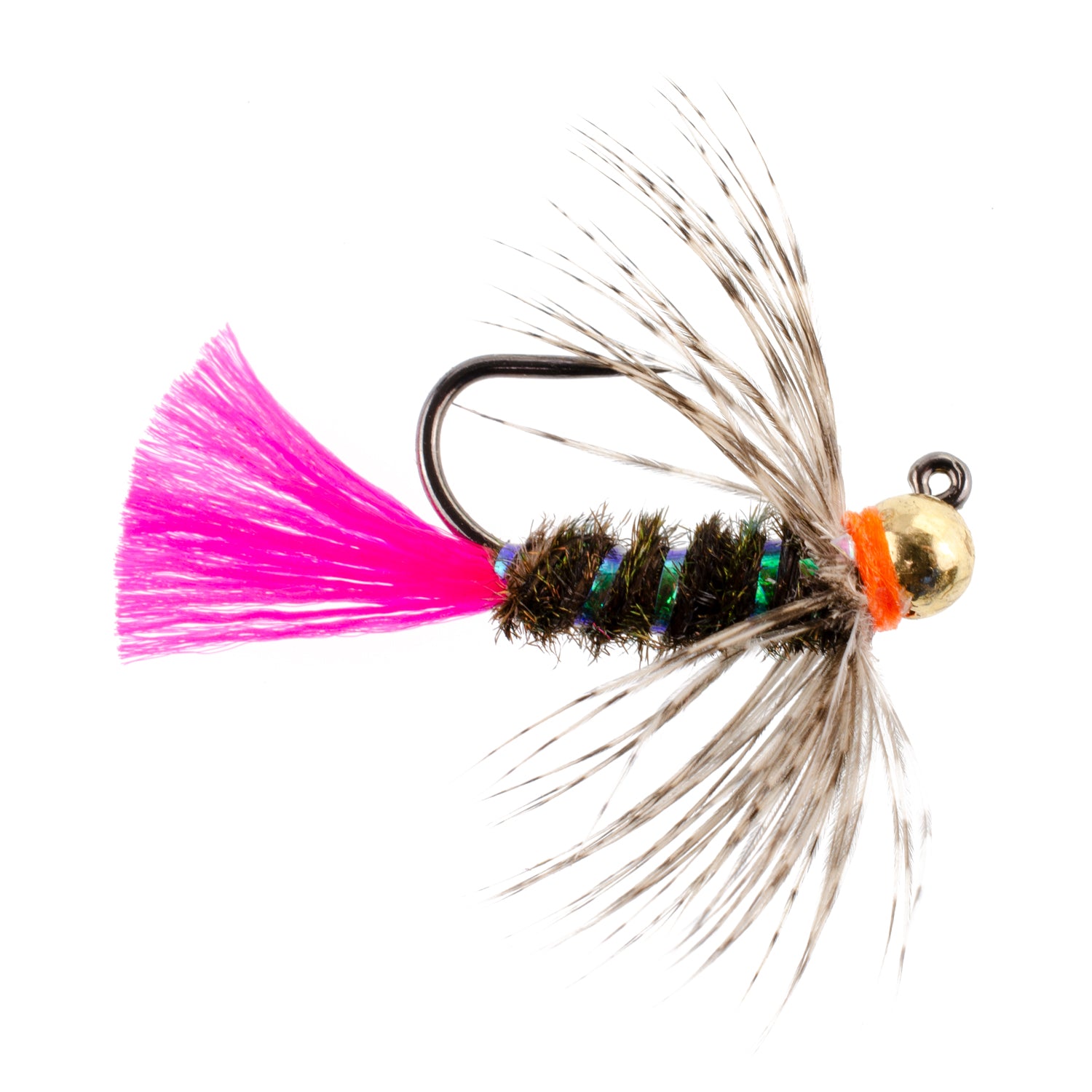
Shop by type: dry flies, nymphs, Euro nymphs, hoppers and terrestrials, streamers.
The river
From Dubois downstream the upper Wind is classic Wyoming water: valley, willow, and canyon, with brown trout and Snake River cutthroat in the coldest miles. That is the fishing most visiting fly anglers mean. Toward Riverton the river feels the reservation and the farms. Boysen Reservoir interrupts it. Below the dam the river is Wind River Canyon, reservation water, and a different trip.
At Thermopolis the Wind River takes a new name. The Wedding of the Waters is only that: the same current, called the Bighorn from there north. Warm springs rise along the town and take some of the sting from winter. They can also warm a July afternoon. Hot Springs State Park offers a public bank and deeper pools where brown trout hold. It is a good place to stand when the upper valley is still in snow, or when you want an hour on the river without a long walk.
Year at a glance - upper Wind River (Dubois area)
| Month | Primary hatches | Also carry | Typical sizes |
|---|---|---|---|
| Jan | Midges | Small nymphs, streamers | Midge 20-26 |
| Feb | Midges, BWO | Small nymphs, streamers | Midge 20-26, BWO 18-22 |
| Mar | BWO, midges | Stonefly nymphs building | BWO 16-20, midge 20-24 |
| Apr | BWO, midges, caddis start | Stonefly nymphs | BWO 16-20, caddis 14-16 |
| May | Salmonfly, caddis, BWO | Golden stone, PMD start | Salmonfly 2-6, caddis 14-16 |
| Jun | Salmonfly, golden stone, PMD | Caddis, yellow sally | Salmonfly 2-6, PMD 16-18 |
| Jul | PMD, hoppers, caddis | Yellow sally, ants, golden stone | PMD 16-18, hopper 8-12 |
| Aug | Hoppers, PMD, caddis | Ants, beetles, trico | Hopper 8-12, PMD 16-18 |
| Sep | BWO, hoppers, caddis | Mahogany dun, streamers | BWO 16-20, hopper 8-12 |
| Oct | BWO, midges | Streamers, mahogany dun | BWO 16-20, midge 20-24 |
| Nov | Midges, BWO | Streamers, small nymphs | Midge 20-24, BWO 16-20 |
| Dec | Midges | Small nymphs, streamers | Midge 20-26 |
January - February
The upper Wind River is a year-round fishery. January and February are midge and streamer months - the valley location and high-desert climate mean cold air temperatures but consistently fishable water in the canyon sections above Dubois and in the accessible reaches below. Midges and small nymphs on a Euro rig in the deeper pools and slower runs. Streamers for large browns in the canyon. BWO begin on overcast afternoons in February. Minimal pressure - the upper Wind in winter is genuine solitude fishing.
- Midges - 20-26 throughout both months. Two-fly Euro rig subsurface in the deeper pools and slower runs.
- Streamers for large browns in the canyon sections year-round.
- BWO beginning on overcast February afternoons - 18-22.
March - April
BWO hatches strengthen through March and April on the upper Wind - the canyon sections above Dubois produce good dry-fly fishing on overcast afternoons with strengthening olive hatches and minimal pressure before runoff begins. Caddis begin by mid-April. Stonefly nymphs building toward the May hatch. Snowmelt from the Wind River Range begins pushing flows up in late April - fish the pre-runoff window aggressively.
- BWO - 16-20 on overcast afternoons through March and April. Parachute and CDC emerger styles.
- Midges throughout - 20-24 subsurface.
- Caddis - 14-16 beginning mid-April.
- Stonefly nymphs subsurface building through April.
May - June: salmonfly season
The salmonfly hatch on the upper Wind River is one of Wyoming's finest and least pressured - the remote canyon sections above Dubois produce excellent salmonfly fishing with a fraction of the crowds found on more famous Wyoming rivers. The hatch moves up the canyon from lower to upper reaches through May and into June as temperatures warm. Golden stones and large caddis overlap with the salmonfly. PMDs begin on the flatter valley sections by late May and build through June into the signature summer hatch. The combination of salmonfly early and PMD late makes May and June the most productive months on the upper Wind.
- Salmonfly - 2-6. The signature early-season hatch. Large adult stonefly dries when the hatch is active. Stonefly nymphs below the hatch front.
- Golden stone - 6-10 in the faster riffles and pocket water through June.
- Caddis - 14-16 evenings through both months.
- Yellow sally - 14-16 in the riffles on warm June afternoons.
- Late May - June: PMD - 16-18 on the flatter valley and canyon sections.
July - August: hopper season
PMDs continue through July mornings. Hoppers build along the sagebrush and grass margins of the valley sections through July and peak in August - the Wind River Valley concentrates grasshoppers and the brown trout respond aggressively. This is honest, straightforward hopper fishing without the crowds of more famous Wyoming rivers. Caddis evenings. Ants and beetles midday. The upper canyon sections above Dubois remain productive through the summer heat with consistent flows from Wind River Range snowmelt and glacial sources.
- PMD - 16-18 mornings through July on the flatter sections.
- Hoppers - 8-12 along the sagebrush and grass valley margins mid-July through August. Hopper-dropper with a nymph dropper.
- Caddis - 14-16 evenings through both months.
- Yellow sally - 14-16 in the riffles through July.
- Ants and beetles midday through both months.
September - October: fall BWO
September is the finest month on the upper Wind River. Crowds are minimal, BWO return strongly with the cooling temperatures, hoppers continue through mid-month, and the Wind River Range is spectacular in fall color. The combination of hopper mornings and BWO afternoons in remote canyon country with almost no other anglers is what the upper Wind River is all about. Streamers for pre-spawn browns building through October. Fall BWO on the Wind can be excellent through late October in good years.
- Hoppers through mid-September - 8-12 along the sagebrush and valley margins.
- BWO - 16-20 on overcast afternoons through September and October. Parachute and CDC emerger styles.
- Mahogany dun - 14-16 on overcast afternoons through September and October.
- Caddis evenings through September - 14-16.
- Streamers for pre-spawn browns through October in the canyon pools.
November - December
Midges and BWO on accessible sections as the high-country season winds down. Streamers for large browns in the canyon. Cold and snow limit access to the upper valley in most years - focus on the canyon sections that remain reachable. The Thermopolis warm-spring section stays fishable through winter with moderate temperatures.
- Midges - 20-26 throughout both months. Two-fly rig subsurface.
- BWO - 16-20 on overcast November afternoons. Parachute style.
- Streamers for large browns in the canyon pools year-round.
The Wedding of the Waters - Thermopolis
At Thermopolis the Wind River officially becomes the Bighorn River at the Wedding of the Waters - a Wyoming geographical designation with no hydrological basis, but a genuine landmark worth a stop. Hot Springs State Park provides excellent public access to the river through the transition zone. The warm spring inputs at Thermopolis moderate water temperatures and extend both ends of the trout fishing season. Brown trout are the primary species here with good populations in the deeper pools and canyon sections adjacent to the park. The hatches generally mirror the lower Wind River above with midges and BWO anchoring the season and PMDs and hoppers through summer.
- The Thermopolis section fishes with similar patterns to the lower Wind River - BWO, PMD, hoppers, and midges through the season.
- Hot Springs State Park provides good public access - wade fishing from the park banks.
- Streamers for the larger browns in the deeper canyon pools below the park. Year-round.
Bighorn River Canyon - below Thermopolis
The Bighorn River below Thermopolis flowing north through the Bighorn Canyon is remote, dramatic, and largely unexplored by most Wyoming fly anglers. Large wild brown trout in a canyon setting with minimal fishing pressure - access requires research on public land boundaries and float options, but the effort is well rewarded. This section should not be confused with the famous Bighorn River tailwater in Montana below Yellowtail Dam, which is an entirely different and much more heavily managed fishery. The Wyoming Bighorn Canyon is freestone river fishing in genuine canyon wilderness.
- Hatches in the canyon generally follow the Wind River pattern - BWO, PMD, hoppers, caddis, and midges through the season.
- Streamers are the primary tool for the canyon browns in the deeper canyon pools and runs.
- Float fishing is the most effective way to access the canyon - verify current access and put-in/take-out points before planning a float.
- Do not confuse with the Bighorn River in Montana - a tailwater fishery below Yellowtail Dam with different character and regulations.
A western dry and nymph assortment covers the core season. Add a salmonfly pattern for May and June, a hopper and terrestrial box for July through September, and a streamer selection for the canyon sections year-round. The Wind River and Bighorn system is one of Wyoming's most diverse and least pressured trout fisheries - three distinct sections, excellent hatches throughout the season, and the unique geography of a river with two names flowing through some of the most dramatic country in the Rocky Mountain West.