Yellowstone River Montana Hatch Chart - Livingston to Billings
South-central to central Montana, from Livingston to Billings. Below Livingston the Yellowstone transitions from the mountain-valley character of Paradise Valley into a broader, lower-gradient river flowing east across the Montana plains. The canyon sections near Columbus and Reed Point break up the prairie valley and concentrate fish in predictable lies. This is a less-pressured, more overlooked stretch than the famous water above Livingston - and it holds large fish.
Brown trout dominate throughout, with rainbows present particularly in the upper reach near Livingston. Fish average 14-18 inches with larger browns common - the lower section toward Billings produces some of the biggest brown trout of any Montana river, particularly in the fall streamer season. The river is wider and more difficult to wade than the Paradise Valley section; floating is the most effective way to cover water.
The hatch calendar mirrors the Paradise Valley section but runs slightly later due to the lower elevation and the broader, slower river character. Summer water temperatures can be a concern in August - check current conditions and Montana FWP hoot owl advisories before each trip.
Check current Montana Fish, Wildlife and Parks regulations before you go. From Springdale Bridge FAS upstream, including the Livingston water on this page, all smallmouth bass must be killed immediately, kept, and presented to FWP - report the catch within 24 hours at 406-577-7900. From Springdale Bridge FAS downstream to the North Dakota border: smallmouth bass, ten daily and in possession. From the Highway 212 bridge downstream to the I-90 bridge: two lines with two hooks per line, year-round. Other trout follow the printed district limit - confirm the current pamphlet. This broader river warms in midsummer and hoot-owl restrictions (2 p.m. to midnight) are common from Livingston toward Laurel. A Montana fishing license is required.
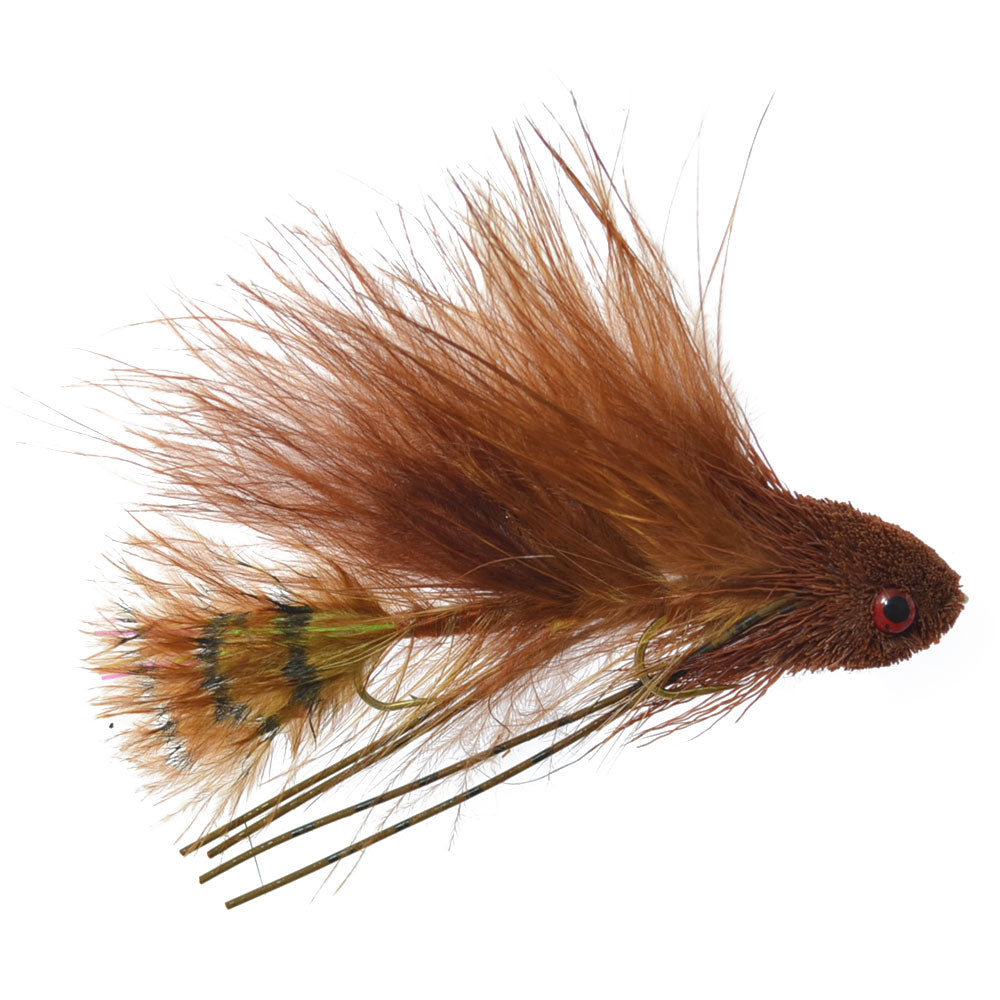
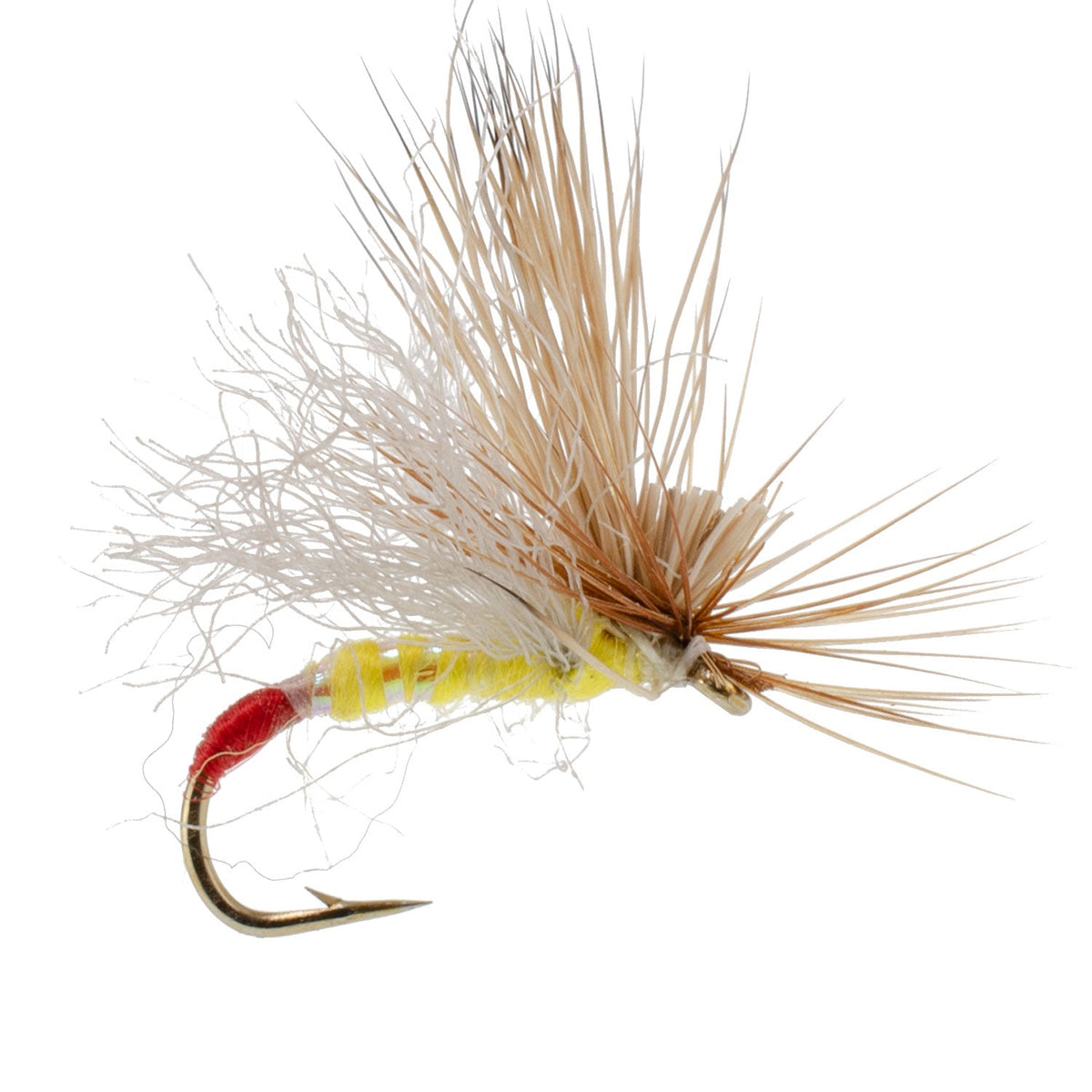
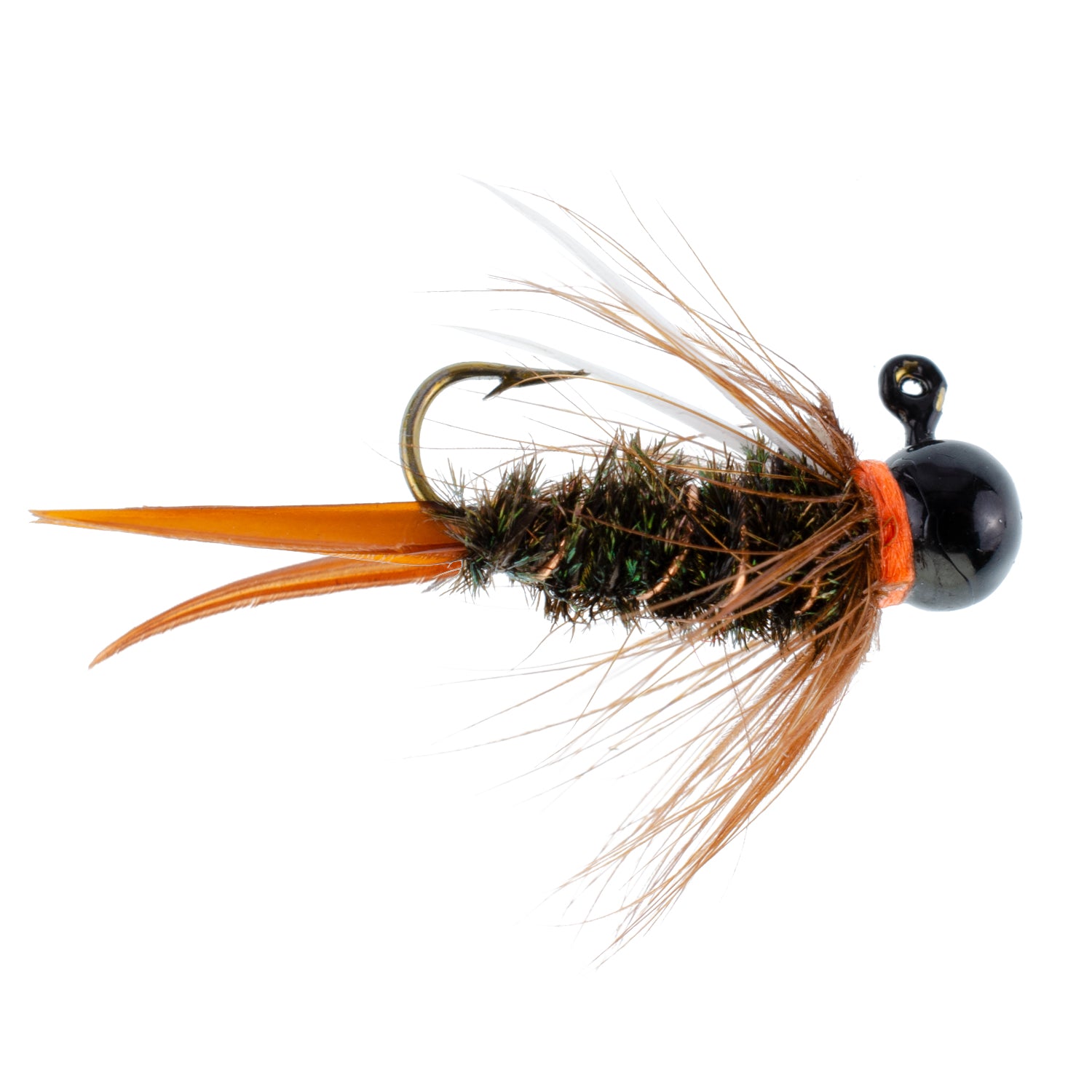
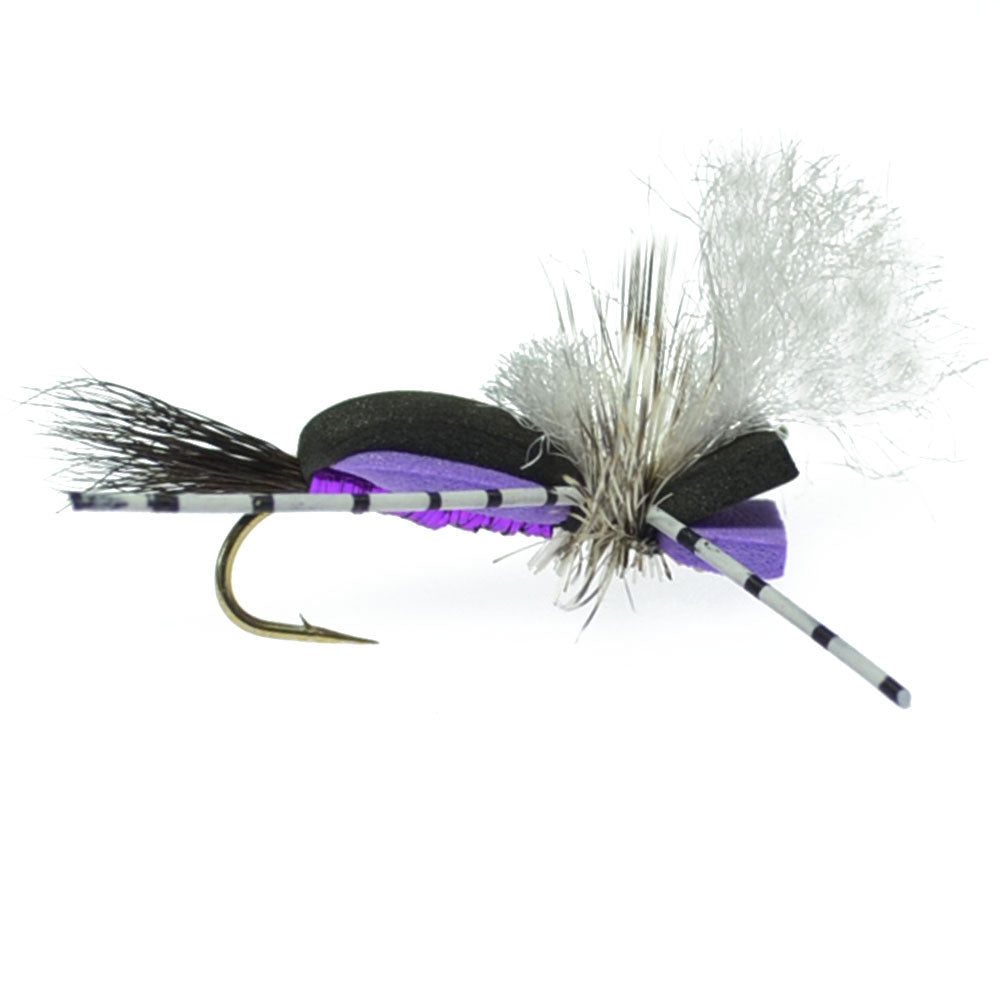
Shop by type: dry flies, nymphs, Euro nymphs, hoppers and terrestrials, streamers.
Year at a glance
| Month | Primary hatches | Also carry | Typical sizes |
|---|---|---|---|
| Jan | Midges | BWO on mild days, streamers | Midge 18-22 |
| Feb | Midges, BWO | Streamers for active browns | Midge 18-22, BWO 16-20 |
| Mar | BWO, midges | Streamers, early Skwala lower reach | BWO 16-20, Skwala 8-12 |
| Apr | BWO, caddis, March brown | Streamers, runoff begins late month | BWO 14-18, caddis 14-16 |
| May | Caddis, BWO | Stonefly nymphs, high runoff typical | Caddis 14-16, BWO 16-20 |
| Jun | Golden stone, caddis, PMD | Salmonfly upper reach, BWO | Stone 6-10, PMD 16-18 |
| Jul | PMD, caddis, yellow sally | Hoppers start, tricos flat sections | PMD 16-18, hopper 8-12 |
| Aug | Hoppers, caddis, trico | Ants, beetles - monitor temps | Hopper 8-12, trico 20-22 |
| Sep | Hoppers, BWO, mahogany dun | Streamers for pre-spawn browns | BWO 16-20, hopper 8-12 |
| Oct | BWO, mahogany dun, streamers | October caddis, midges | BWO 18-22, caddis 8-12 |
| Nov | Midges, BWO | Streamers for post-spawn browns | Midge 18-22, BWO 18-22 |
| Dec | Midges | Small nymphs, streamers | Midge 18-22 |
January - February
The Yellowstone fishes year-round. The slower, deeper character of this stretch means fish concentrate in the main channel seams and inside bends through winter. Midge activity on mild afternoons. Streamer fishing can be productive for active browns even in cold water, and the canyon sections near Reed Point and Columbus concentrate fish and are worth targeting. BWO begin on overcast February afternoons and streamer fishing picks up on warmer days as browns become more active ahead of the spring season.
- Midges - 18-22. Two-fly rig through the main channel seams and deeper inside bends.
- BWO - 16-20 on overcast February afternoons. Parachute and CDC emerger styles.
- Small nymphs subsurface for Baetis through both months.
- Streamers - olive and black, slow-swung through deeper main channel seams. Picks up through February as browns become more active.
March - April
BWO hatches strengthen through March and streamer fishing is at its best of the pre-runoff year - big browns are actively feeding before high water pushes them off their lies. Early Skwala activity can occur on the warmer lower sections near Billings when water temperatures climb. April adds olives, March brown, and caddis for dry-fly opportunities before runoff builds toward month's end. The broader lower river colors up faster than the canyon sections in April - fish the canyon reaches near Columbus and any clear tributary mouths when main river flows push.
- BWO - 16-20 on overcast afternoons through March and April. Parachute and CDC emerger styles.
- Skwala - 8-12 on warming lower sections in March. Rubber-leg nymph subsurface, Stimulator-style dry on warm afternoons.
- Streamers - the prime pre-runoff window for big browns through March and into April.
- April: March brown 12-14, caddis 14-16 on warming afternoons.
May - June
Caddis can be excellent in early May before the river blows out. The Yellowstone typically runs high and dirty through mid-to-late May - the canyon sections near Columbus clear faster than the open valley stretches. As flows drop and clear in mid-to-late June the lower Yellowstone comes into form. The salmonfly hatch reaches this stretch later than the Paradise Valley section; golden stones are often more prominent here than true salmonflies. PMDs begin by late June. The canyon sections near Columbus and Reed Point are the prime June water.
- May: caddis - 14-16 early in the month before runoff peaks. Stonefly nymphs 6-10 subsurface.
- BWO on overcast days through May when flows allow.
- June: golden stone - 6-10 as flows clear. More reliable on this stretch than salmonfly. Stone nymph dropper below a large dry.
- Salmonfly - 4-8 on the upper reach near Livingston in early June.
- Evening caddis - 14-16 through June.
- Late June: PMD - 16-18 in the riffles.
July - August
Good summer dry-fly fishing throughout the stretch with far less float traffic than the Paradise Valley - a significant advantage for wade and float anglers alike. PMDs in the morning, caddis evenings, hoppers building along the grass and cottonwood banks from mid-July. Monitor water temperatures carefully through August - the broader, slower lower river can warm more significantly than the canyon sections. Fish the canyon reaches near Columbus in August for cooler water and better midday conditions. Check FWP hoot owl advisories before each August trip.
- July: PMD - 16-18 mornings. Yellow sally 14-16 in the canyon riffles.
- Caddis - 14-16 evenings through July and August.
- Hoppers - 8-12 along the grass and cottonwood banks from mid-July through August. Hopper-dropper with a small nymph.
- Trico - 20-22 early morning on flat slower sections through July and August.
- Ants and beetles in foam lines midday.
September - October
The best months on the lower Yellowstone for big fish. Water temperatures cool, crowds are minimal, and brown trout begin staging for the fall spawn with aggressive pre-spawn feeding. Streamer fishing from a drift boat through the canyon sections is among the finest fall streamer fishing in Montana. Dry-fly fishing remains good into mid-September with hoppers and olives. October extends the streamer season and adds October caddis on warmer afternoons. Handle spawning fish carefully.
- Hoppers and ants through mid-September.
- BWO - 16-20 on overcast afternoons through September and October. Parachute and CDC emerger styles.
- Mahogany dun - 14-16 on gray afternoons through September and October.
- Streamers - the prime window for the largest brown trout of the year through September and October. Large olive, black, and brown patterns through canyon runs and undercut banks.
- October caddis - 8-12 on warmer October afternoons.
- Midges in slow water through October.
November - December
Spawning winds down and streamer fishing continues for post-spawn browns holding in the deeper canyon runs. BWO and midges on mild afternoons. The canyon sections remain the most productive and practical access points through both months - the open valley stretches can be exposed and very cold in December. Streamers remain effective on warmer days when fish are active.
- Streamers - swung slowly through the deeper canyon runs for post-spawn browns.
- BWO - 18-22 on mild overcast afternoons through November.
- Midges - 18-22 throughout both months. Two-fly rig through the main channel seams.
- Small nymphs through the deeper holding lies.
A western dry and nymph assortment covers the dry-fly season. The real differentiator on this stretch is the streamer box - bring large olive, black, and brown patterns in 3-5 inch sizes for the fall brown trout season. Add hoppers and terrestrials and streamers for the complete lower Yellowstone kit.