Yellowstone River Wyoming Hatch Chart - Yellowstone Park
Northwest Wyoming, inside Yellowstone National Park. The Yellowstone River is the longest river in the park, flowing north from its headwaters in the Absaroka Range through Yellowstone Lake, then north through Hayden Valley and over the Upper and Lower Falls of the Grand Canyon of the Yellowstone, before continuing through the Black Canyon to the park boundary at Gardiner, Montana. Not all of this water is fishable - but the sections that are rank among the most scenic and rewarding cutthroat fisheries in the American West.
A Yellowstone National Park fishing permit is required. A state license is not, inside the park. In 2026 the general park season runs from the Saturday of Memorial Day weekend through October 31. The Yellowstone River from the lake outlet downstream opens later: July 1. Opening and closing dates have been changing and may change again - confirm the current park fishing pamphlet before you go. Native cutthroat, mountain whitefish, and grayling must be released. Lead-free flies or lures. Barbless hooks. Do not fish at Fishing Bridge or within 100 yards of LeHardy's Rapids, in the posted water above and below Fishing Bridge, or in the Grand Canyon from Chittenden Bridge to below Silver Cord Cascade. Hours are sunrise to sunset. Give bison and bears room.
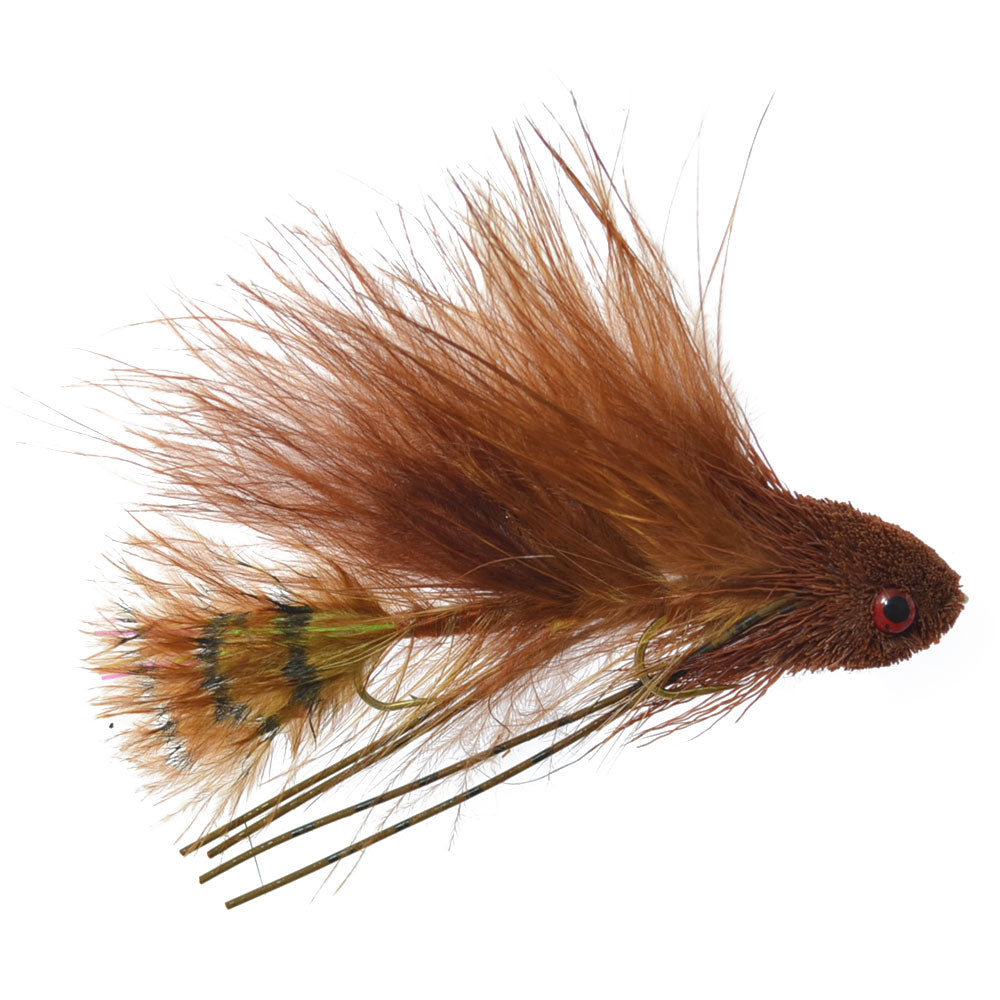
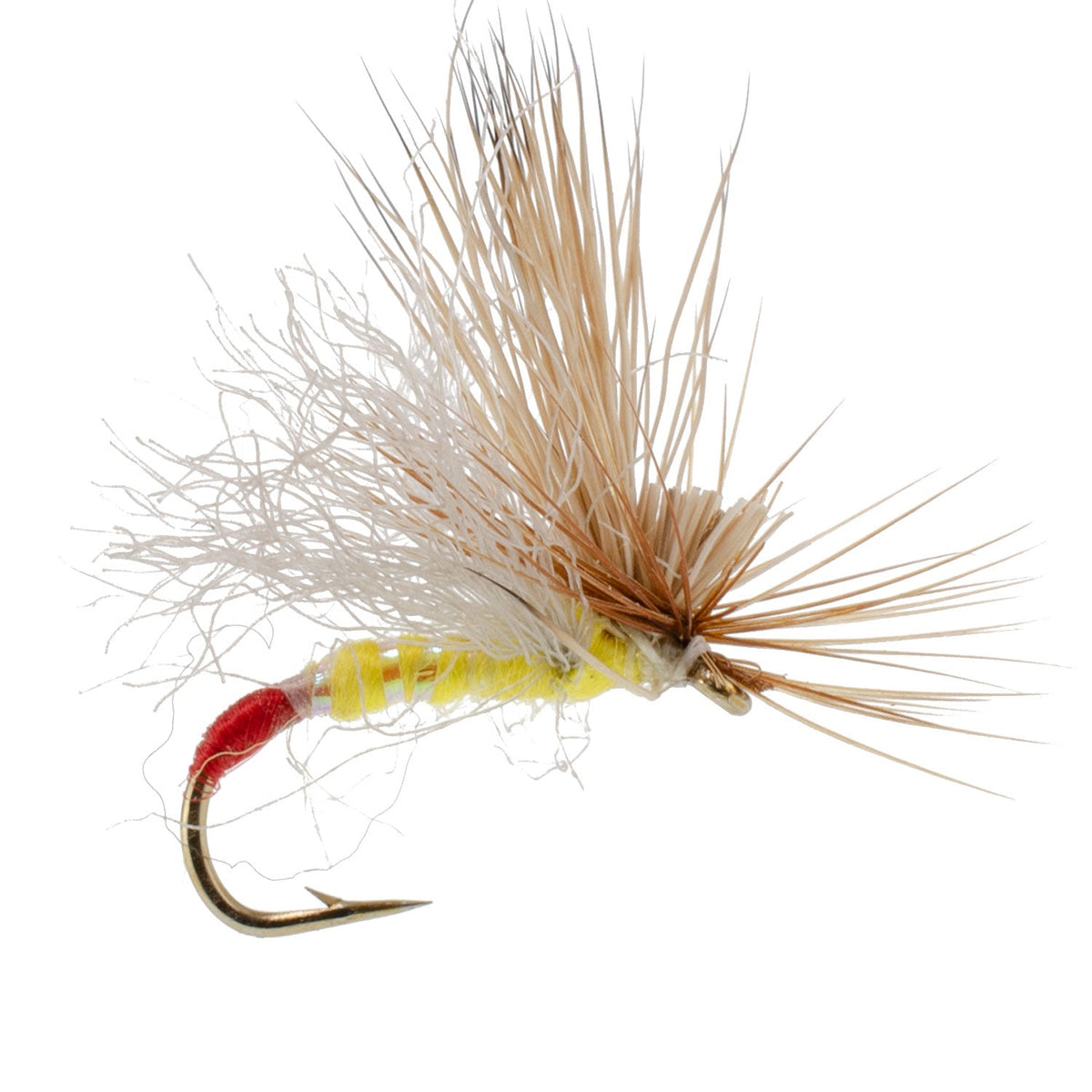
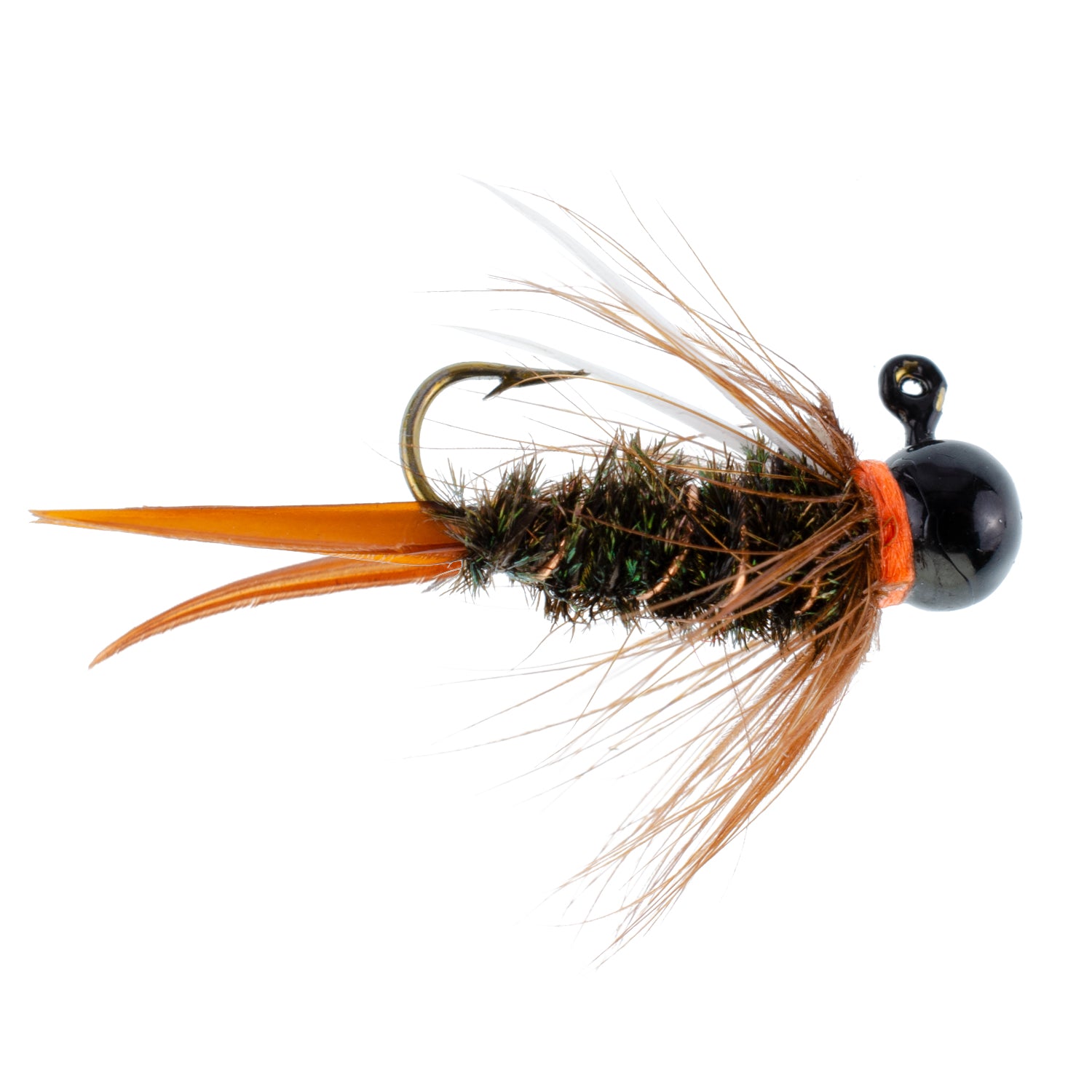
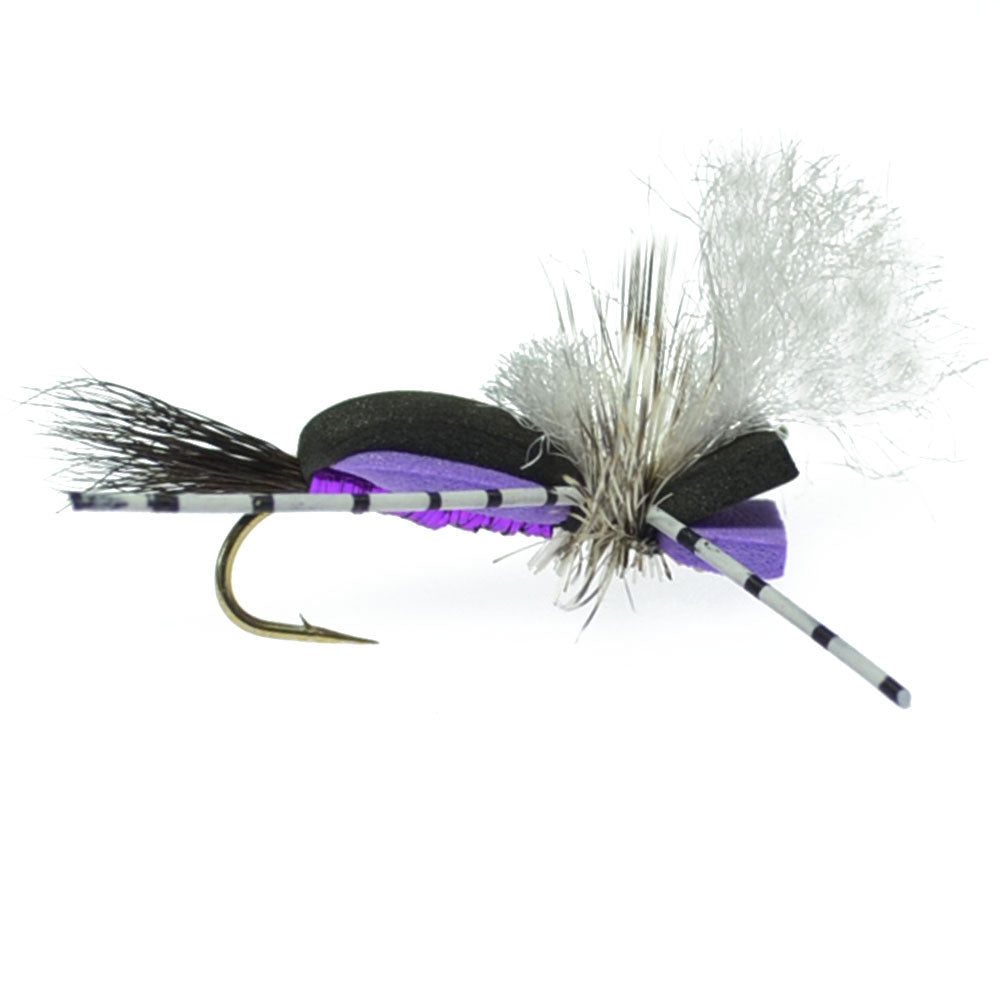
Shop by type: dry flies, nymphs, Euro nymphs, hoppers and terrestrials, streamers.

The river
The park Yellowstone has two distinct fishable sections separated by the unfishable Grand Canyon of the Yellowstone. The upper section runs from the Yellowstone Lake outlet downstream through Hayden Valley to the brink of the Upper Falls - roughly 16 miles of broad, slow-moving meadow water with wild Yellowstone cutthroat averaging 14-18 inches. This is catch-and-release water. The river is wide, clear, and deceptively challenging - fish are visible in the flat, slow pools but selective. Bison and grizzly bear are common along the banks throughout the season. Fish quietly and watch your surroundings.
The Black Canyon section runs from Tower Fall to the park boundary near Gardiner - trail-access only water that sees a fraction of the pressure of the Hayden Valley sections. Wild cutthroat and some brown trout near the lower end toward Gardiner. Expect solitude, challenging terrain, and aggressive fish that haven't seen many flies. The trail drops steeply into the canyon - plan for a full day if fishing the lower Black Canyon water. The canyon in September with fall colors and elk bugling is one of the great fly fishing experiences in the Yellowstone ecosystem.
The Grand Canyon of the Yellowstone between the Upper Falls and Tower Fall is not accessible for fishing - the walls drop hundreds of feet to the river with no safe access. Do not attempt to reach the river in this section.
Year at a glance
| Month | Primary hatches | Also carry | Typical sizes |
|---|---|---|---|
| Jan - Jun | Closed - river opens July 1 | - | |
| Jul | PMD, caddis, callibaetis | Hoppers start, trico on flat water | PMD 16-18, caddis 14-16 |
| Aug | Hoppers, trico, callibaetis | Ants, beetles, PMD | Hopper 8-12, trico 20-22 |
| Sep | BWO, hoppers, mahogany dun | Callibaetis, streamers (Black Canyon) | BWO 18-20, hopper 8-12 |
| Oct | BWO, mahogany dun, midges | October caddis, streamers (Black Canyon) | BWO 18-22, caddis 8-12 |
| Nov+ | Closed to fishing inside the park | - | |
July - August
The Yellowstone River opens July 1. Outstanding dry-fly fishing on both sections from opening day. PMDs continue through mid-July in Hayden Valley. Callibaetis are important on the flat outlet water near the lake. Tricos begin on the slower sections in early morning. Hoppers build along the valley grass and sage through July and peak in August. July is peak park visitation - Hayden Valley road pullouts can be crowded. Fish early morning before tourist traffic builds or hike into the Black Canyon for solitude. The Black Canyon in August is excellent with almost no other anglers.
- PMD - 16-18 mornings through mid-July on the Hayden Valley sections.
- Callibaetis - 14-16 on the flat outlet sections through midday throughout both months.
- Trico - 20-22 early morning spinner falls on slow flat water.
- Caddis - 14-16 evenings through both months.
- Hoppers - 8-12 along the meadow bank edges in Hayden Valley and canyon pockets in the Black Canyon from mid-July through August.
- August: ants and beetles in the foam lines midday.
September - October
The finest months on the park Yellowstone. Crowds drop sharply after Labor Day. Hoppers hold through mid-September. BWO return strongly as nights cool - the fall olive hatches on the Hayden Valley flat water are outstanding. Mahogany duns add a second fall dry-fly option. The Black Canyon in September with fall colors, elk bugling in the canyon, and aggressive cutthroat is one of the great fly fishing experiences in the Yellowstone ecosystem. Streamers pick up in the deeper Black Canyon pools. October extends the BWO and mahogany dun fishing into the final weeks - the Black Canyon is virtually empty and at its best. The season closes October 31.
- Hoppers and ants through mid-September - 8-12.
- BWO - 18-20 on overcast afternoons through September and October. Parachute and emerger styles.
- Mahogany dun - 14-16 on overcast afternoons through September and October.
- Streamers in the deeper Black Canyon pools at last light through September and October.
- October caddis - 8-12 on warmer October afternoons.
- Midges - 18-22 in the slow Hayden Valley pools through October.
A box for the park Yellowstone starts with PMDs, caddis, and BWO in the right sizes, adds callibaetis and trico patterns for the flat Hayden Valley water, and includes hoppers and terrestrials for August and September. A western dry and nymph assortment covers the core season - add callibaetis, tricos, mahogany duns, and a streamer selection for the Black Canyon and you are ready for both sections.