
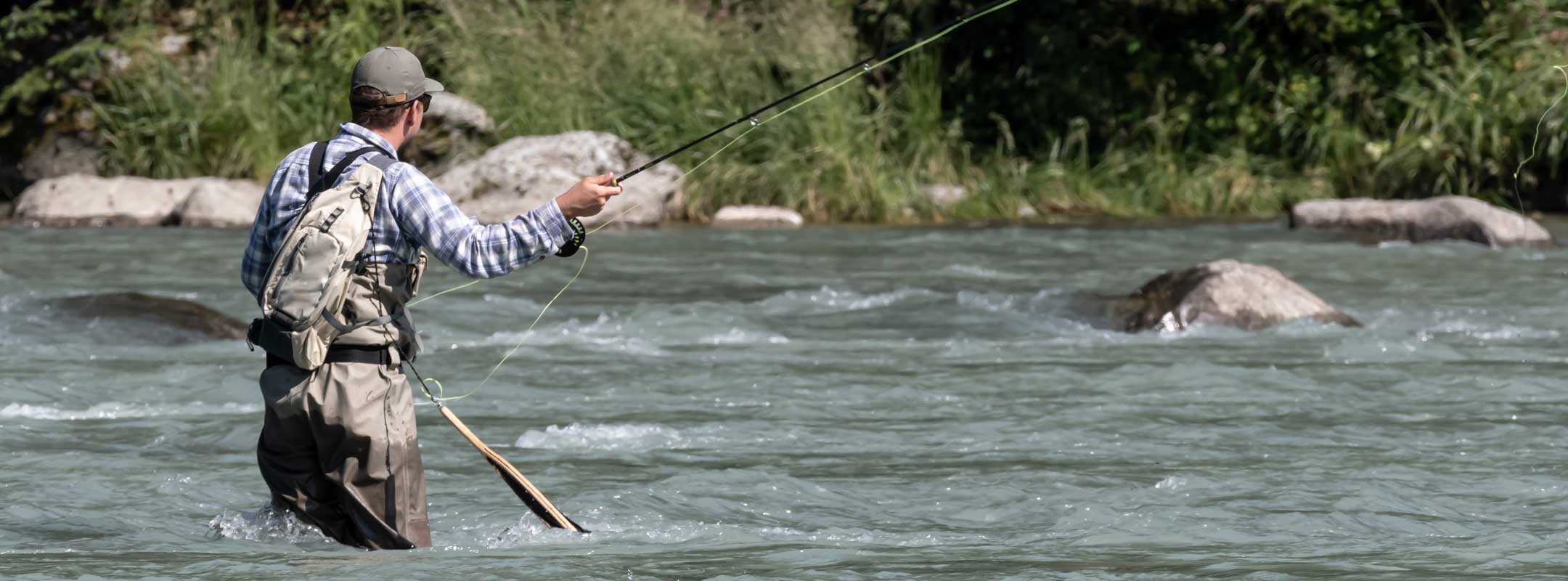
The river moves, and so do we. It carves its quiet path through stone and memory, carrying the echoes of every cast, every rise, every release. I remember one crisp autumn morning on the Tongue River, the kind where the mist hangs low like a secret the water isn't quite ready to share. I'd hooked a solid brown - maybe eighteen inches, the kind that tests your tippet and your patience in equal measure. The fight was clean, the rod bending in that familiar arc of respect. But when it came time to bring him to hand, the difference hit me like the first cold splash against my waders. No barb. Just a clean, swift slip of the hook from the corner of his mouth. He lay there in the net for a heartbeat, gills working, eyes steady on the current. Then, with a flick of his tail, he was gone - back into the seam where he belonged. No torn lip, no lingering scar. Just a moment shared, a whisper exchanged, and the river rolling on as it always has.
That day wasn't my first with barbless hooks, but it was the one that made the philosophy sink in deep, the way a good fly settles into the film. Fly fishing has always been more than the tug on the line. It's a conversation with something larger than ourselves—a dance with time, with tradition, with the fragile balance that keeps these waters alive for the next angler who wades in. And in that dance, barbless flies aren't some passing trend or competition gimmick. They are an act of quiet reverence, a commitment to preservation woven right into the very hook we tie on at dawn. Here at The Fly Fishing Place, our collection of barbless flies—nearly four hundred patterns strong - stands as a testament to that ethos. These aren't just hooks without barbs; they're invitations to fish with intention, to honor the trout, the bass, the steelhead, and the salmon that call our rivers home. They hook with the same fierce efficiency as their barbed cousins, yet they release with grace, leaving the fish - and the future - untouched.
I've chased trout since I was a barefoot kid on the banks of the Little Bighorn in Montana, that forbidden stretch where my father's steady voice taught me not to force the cast but to let the rod whisper its own story. Back then, barbed hooks were simply what we knew. We landed fish, admired them, and sent most back with a quick twist and a prayer. But even as a boy, I sensed the river watching, keeping score. Years later, standing knee-deep in the Madison with the sage-scented air thick around me, I watched a hatch explode into gold and realized the old ways needed evolution. Fly fishing isn't about conquest; it's about communion. The barbless hook embodies that shift - a gentle evolution in a sport that has always prized the subtle over the savage.
The Roots of Barbless Fly Fishing
The roots of barbless fly fishing run deeper than any single trend. They trace back to the rise of catch-and-release ethics in the mid-twentieth century, when thoughtful anglers began questioning the toll of repeated captures. In Europe, where competitive nymphing on crystal-clear rivers demanded precision and minimal harm, barbless jig hooks became the standard. Eastern European tiers refined those tungsten-beaded patterns for Czech and Euro nymphing, proving that a hook without a barb could penetrate just as cleanly - sometimes cleaner—because the point drives straight and true without the barb's resistance. Here in the States, places like Yellowstone National Park made barbless mandatory, not out of restriction but out of wisdom: protect the fishery, and the whispers will continue for generations.
The Practical Case for Barbless
There's a practical poetry to it, too. Studies and river-side experience alike show that barbless hooks reduce fish mortality by nearly half compared to barbed ones. That's not abstract data; it's the difference between a trout that swims away strong and one that lingers, stressed and scarred, in warm summer flows where oxygen runs thin. The injury is minimal - no deep tears in the jaw cartilage, no prolonged bleeding. Release happens in seconds, often with the fish barely out of the water. For the angler, it means fewer tangles in the net, less time fumbling with pliers while the fish gasps, and a safer day on the water. A barbless point slides out with far less drama than its barbed counterpart.
How Barbless Flies Perform
Yet the real magic lies in how these flies perform. They don't sacrifice effectiveness; they amplify it through thoughtful design. The tungsten beads sink fast and true, getting your presentation down where the fish are holding without the need for heavy split shot that spooks the wary ones. That jigged hook rides point-up, bouncing naturally along the bottom like the real nymphs and larvae the trout key on. And when the take comes - whether it's a subtle tick on the indicator or a heart-stopping sip on a dry - the hookset drives home with authority. Fish stay hooked because technique matters more than hardware.
Our Barbless Collection: Patterns Built for the Modern Tactical Angler
Step into our barbless collection at The Fly Fishing Place, and you'll feel that same thoughtful craftsmanship humming through every pattern. These are flies tied for the modern tactical angler but rooted in the timeless art of fooling fish with elegance.
Take the Tungsten Hot Bead Walt's Worm Jig Tactical Czech Nymph—three flies for under nine dollars in size 16. A simple, deadly worm imitation with that hot tungsten bead to get it down quick into the deepest runs. Or the Squirminator Squirmy Wormy, that irresistible wiggle of rubber legs and a tungsten bead in size 12, perfect for those days when the fish are dialed into the naturals crawling along the substrate.
Pair them with the Hot Spot Pheasant Tails or the Soft Hackle Pheasant Tails, those classic bodies of pheasant rump and tungsten beads that have evolved into tactical jigs without losing an ounce of their heritage charm.
Perdigons shine here too: the Gasolina in fiery orange, the Purple Hot Spot, and the sleek Black Perdigon—all in sizes 16 and 18, barbless and deadly for those technical tailouts where precision is everything. The CDC Frenchies add a touch of soft-hackle tradition to the jig style, while the Duracell Jigged Czech Nymphs and Tactical Olive Hare's Ears round out a box that covers every nymphing scenario from high water to low, clear flows.
Barbless on the Surface
Don't think we've forgotten the surface game. Our barbless dry flies and terrestrials bring the same stewardship to the topwater bite. The Griffiths Gnat in size 18—six flies for under fifteen bucks—imitates those tiny midges with a peacock herl body and grizzly hackle that rides the film like a whisper. The Blue Winged Olive BWO patterns in size 16 capture those delicate mayfly hatches that turn rivers into living canvases. For terrestrials, the Red Top Black Foam Beetle in size 14 lands with a plop that draws explosive strikes from bank-hugging browns, and the classic Mosquito in size 12 fools everything from cutthroats to smallmouths. Even the Tactical Mini Buggers get the barbless treatment for those times when streamers are the call, wiggling through the depths with tungsten beads to tempt the bigger predators.
Fishing Barbless: Technique and Trust
Fishing these flies isn't complicated, but it rewards attention—the same kind the river has always demanded. In Euro nymphing, I rig a long leader with a sighter or indicator, drop the tungsten jig into the head of a run, and let the current do the work. Mend, watch, feel. The barbless hook means that subtle take translates straight to the rod without the barb's delay. On dries, it's the same delicate presentation I learned as a kid: a soft landing, a dead drift, and faith that the fish will rise. When the fight ends, the release is poetry itself. No pliers, no struggle—just a gentle lift of the fly and the trout's grateful departure.
A Deeper Current: Stewardship and Legacy
There's a deeper current here, one that flows beyond the technical. Fly fishing has always carried a thread of stewardship, from the Native peoples who fished these waters with respect long before graphite rods or tungsten beads, to the early tiers who sketched mayflies by lamplight and dreamed of rivers teeming with life. Barbless hooks extend that lineage. They remind us that every fish we release is a vote for tomorrow's hatches, for the grandchildren who will one day stand where we stand and hear the same whispers. In a world that moves too fast—screens glowing, deadlines pressing—stepping into the river with barbless intent is an act of quiet rebellion. It says we value the experience over the trophy, the health of the watershed over the short-term thrill.
Whether you're building a full Euro nymphing arsenal with the Tactical Euro Nymph Collection—twelve tungsten beauties for under thirty bucks—or simply adding a handful of barbless dries to your box, these patterns are tied with care, priced fairly, and ready to carry you into the current.
So here I stand once more, boots planted on familiar gravel, the light shifting gold across the water as another evening hatch begins to stir. I tie on a barbless tungsten jig—maybe a Purple Perdigon, maybe a Walt's Worm—and watch the line unfurl. The river doesn't promise me a fish, but it offers something richer: the chance to engage fully, to release cleanly, to leave the water better than I found it. That, in the end, is the true whisper down the river of time. Cast with me. Fish with intention. And let the barbless hook remind you that the greatest catches are the ones we set free.
Ready to fish with intention? Browse our full Barbless Flies for Catch and Release Collection — nearly 400 patterns tied for precision, stewardship, and the pure joy of the release. Looking for Euro nymphing patterns specifically? Explore our Euro Tactical Nymphs Collection for barbless jigged flies built for Czech and Spanish nymphing techniques.