Fall River California Hatch Chart
Northern California, rising at Thousand Springs and flowing south through Fall River Valley to the Pit River below Fall River Mills. The Fall is California’s great spring creek: a broad, flat, crystal river born of volcanic springs, nearly constant in temperature, and thick with insects. Large wild rainbows live in that water and have all day to look at a fly. Fine tippet, a true drift, and patience are the price of admission. Hat Creek and the McCloud lie close by. The Fall River is part of the Burney Basin trout cluster alongside Hat Creek and the McCloud River - three exceptional spring creek fisheries within an hour of each other in Northern California.
Check current California Department of Fish and Wildlife regulations before you go.
The Fall River Complex, from Thousand Springs to the Pit and the listed springs, creeks, and lakes connected to it, is open all year. Artificial lures with barbless hooks only. Zero trout. The rule is strictly kept.
The banks are private. A float tube, pontoon, or small pram is how most of the water is reached. Island Road is the public launch on the upper river. A California fishing license is required.
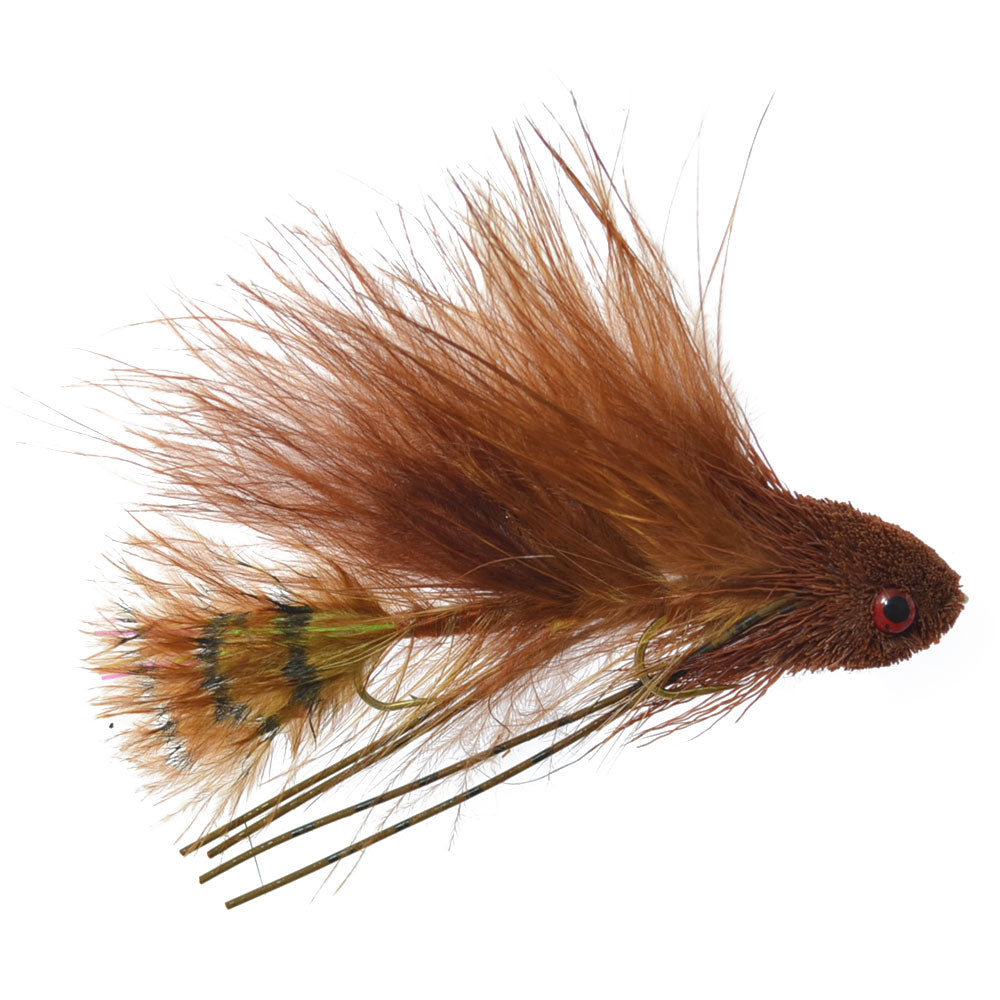
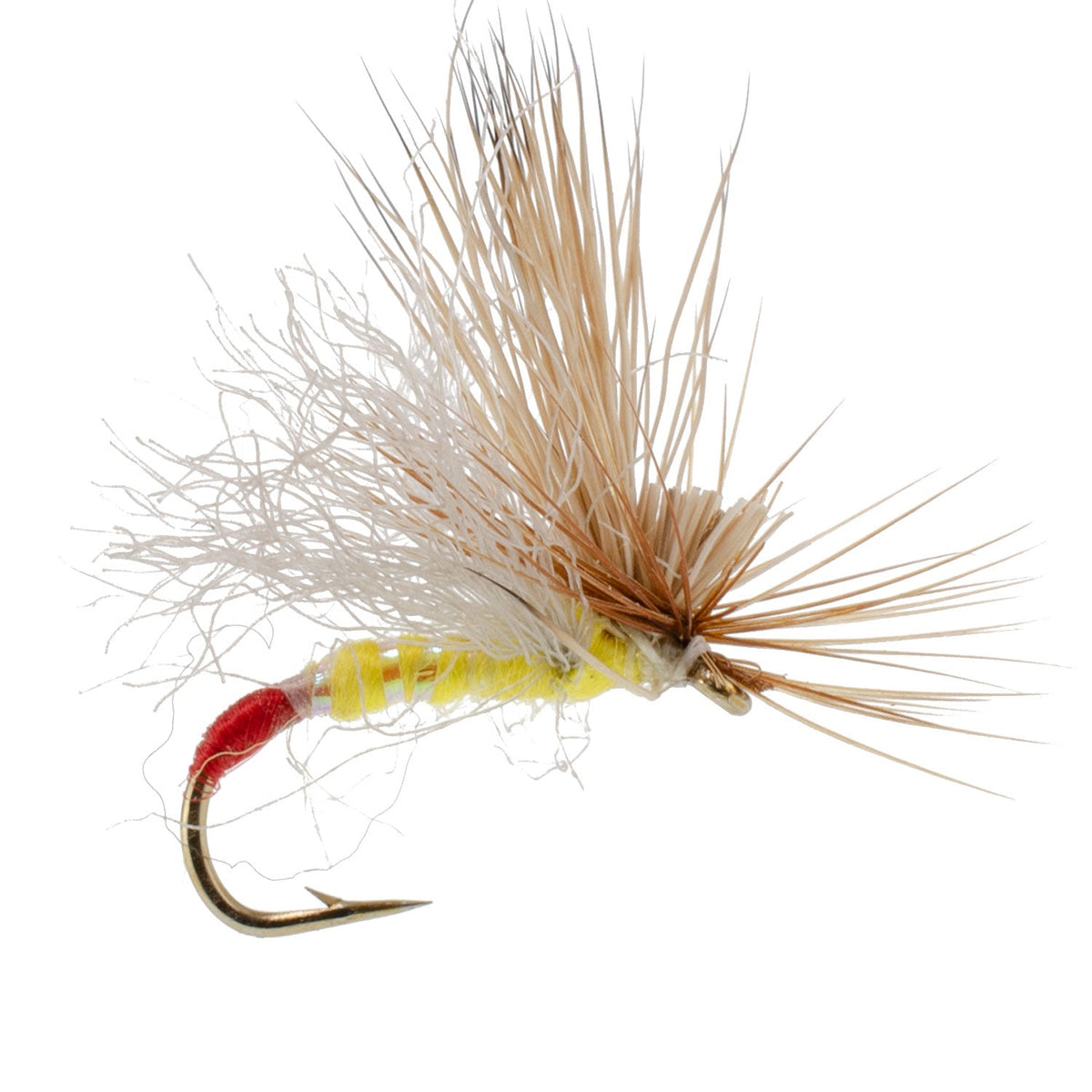
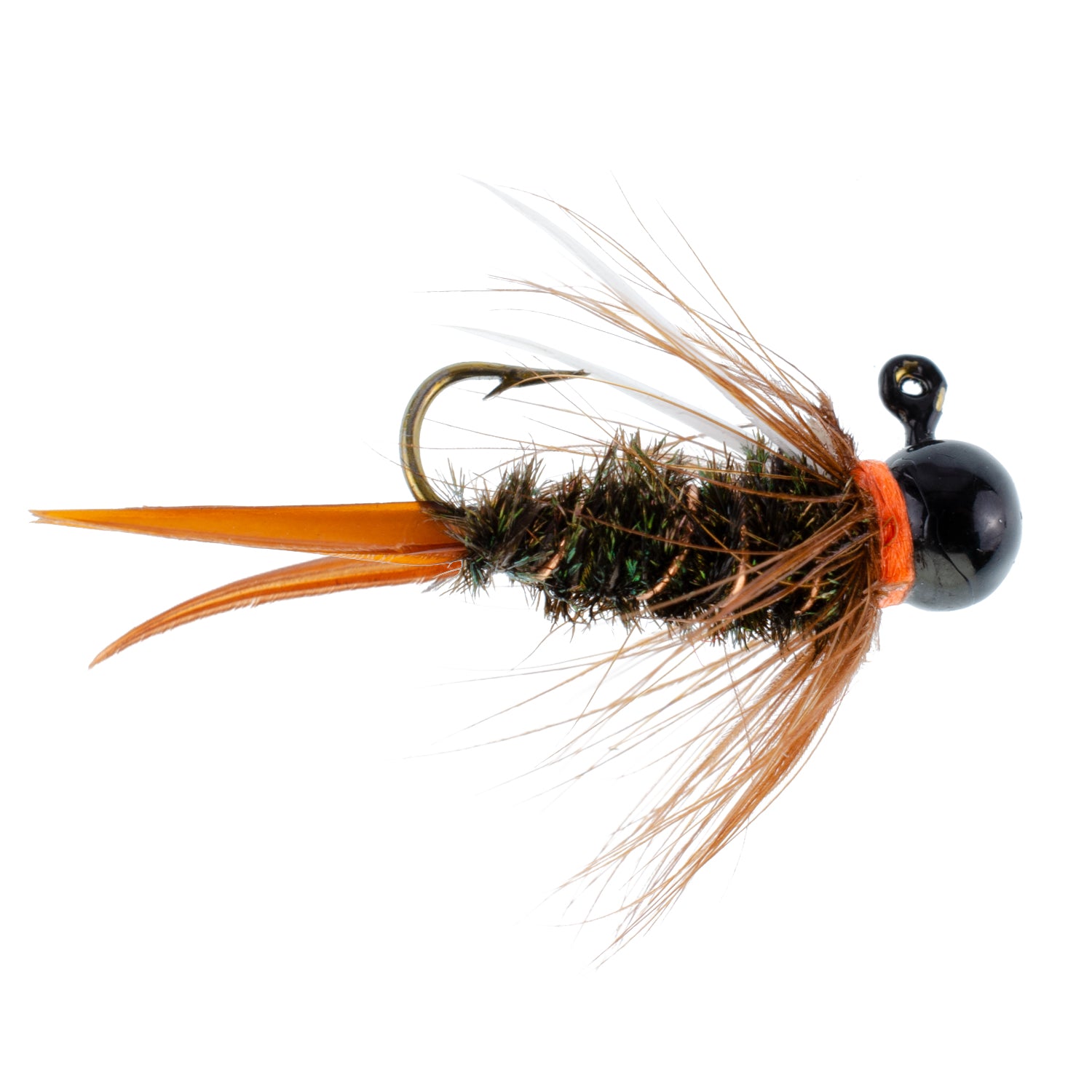
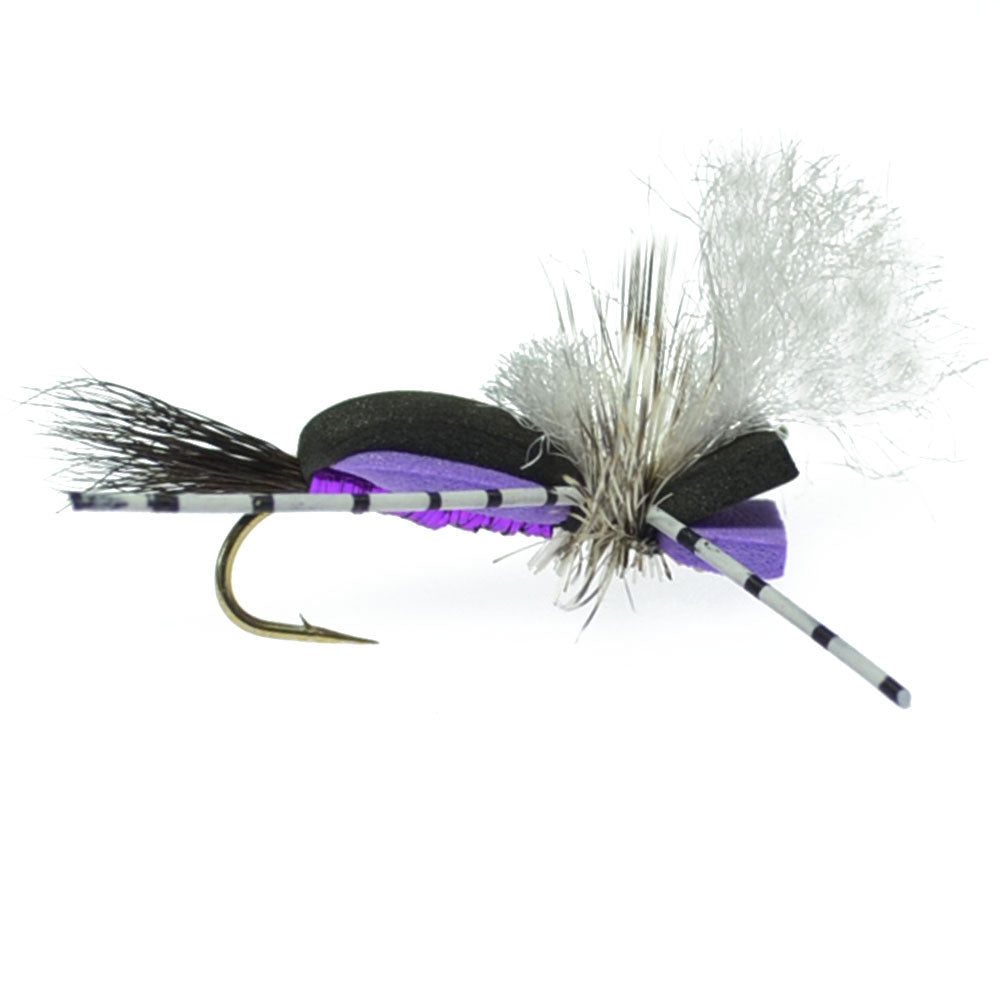
Shop by type: dry flies, nymphs, Euro nymphs, hoppers and terrestrials, streamers.
The river
The Fall River is unlike any other trout stream in California. It emerges fully-formed from massive volcanic springs - the main spring vents produce hundreds of cubic feet per second of 52-degree water that flows immediately into a broad, navigable river with almost no gradient. The result is a river that looks more like a spring creek in New Zealand than anything else in the American West: flat, clear, weedy, and full of large wild rainbow trout that have learned to feed selectively on the abundant insect life in a setting where they can see everything.
Wild rainbow trout are the fish of the Fall River. The springs keep them growing and the insects keep them particular. Fish over 20 inches are not rare, and a well-presented fly to a rising trout will sometimes find a much larger one. The water is so clear and so still that a fish may study a fly as a man studies a letter. Size, profile, and drift have to be right, or the fish simply turns away.
Boat access is not optional on the Fall River - the private land ownership means that floating is the only practical way to reach most of the productive water. Float tubes and pontoon boats are the traditional craft; small electric-motor prams are also used. The river's spring creek character means wading is possible in limited sections but the best fishing is from a floating platform that allows anglers to cover water while staying low and presenting from a downstream angle. First-time visitors should strongly consider hiring a guide for at least the first day to learn the access points, the productive sections, and the etiquette of the river.
The Fall River is best fished as part of a Burney Basin trip that also includes Hat Creek and the McCloud River - three world-class spring creek fisheries within easy driving distance that together represent the finest concentration of technical dry-fly water in California.
Year at a glance
| Month | Primary hatches | Also carry | Typical sizes |
|---|---|---|---|
| Jan | Midges, BWO | Small nymphs | Midge 20-26, BWO 18-22 |
| Feb | Midges, BWO | Small nymphs | Midge 20-26, BWO 18-22 |
| Mar | BWO, midges, caddis | Small nymphs | BWO 16-20, midge 20-24 |
| Apr | BWO, caddis, PMD start | Midges, small nymphs | BWO 16-20, caddis 14-16 |
| May | PMD, caddis, BWO | Trico start, midges | PMD 16-18, caddis 14-16 |
| Jun | PMD, trico, caddis | Yellow sally, ants | PMD 16-18, trico 20-24 |
| Jul | Trico, PMD, caddis | Ants, beetles, hoppers | Trico 20-24, PMD 16-18 |
| Aug | Trico, caddis, hoppers | Ants, beetles, PMD | Trico 20-24, hopper 10-14 |
| Sep | BWO, trico, caddis | Mahogany dun, ants | BWO 16-20, trico 20-24 |
| Oct | BWO, midges, caddis | Mahogany dun, small nymphs | BWO 16-20, midge 20-24 |
| Nov | BWO, midges | Small nymphs | BWO 18-22, midge 20-26 |
| Dec | Midges, BWO | Small nymphs | Midge 20-26, BWO 18-22 |
January - February
The constant 52-degree spring water makes the Fall River a genuine year-round fishery. January and February are midge and BWO months - the stable temperature supports active fish and rising trout are a realistic expectation on any overcast winter afternoon. The flat water demands fine tippet and a drag-free drift even in winter - the fish are no less selective in January than in July. Float tube access is cold but productive for the angler willing to dress appropriately. The winter Fall River with rising wild rainbows and no other boats on the water is a rare California experience.
- Midges - 20-26. The winter staple. Subsurface in the weedy runs; surface on midge clusters when fish are dimpling. 6X tippet minimum.
- BWO - 18-22 on overcast afternoons. Parachute and CDC emerger styles. Long fine leader on the flat spring creek surface.
- Small nymphs subsurface in the deeper weed-edged runs.
March - April
BWO hatches strengthen through March and the caddis season begins on the Fall River earlier than on most Northern California rivers. The spring creek temperature stability means the insect calendar advances ahead of freestone rivers in the region. PMDs begin by late April - a significant event on the Fall River that signals the transition to the prime summer season. The spring window before the summer crowds is an excellent time to fish the Fall River with good hatch variety and more open access at the productive launch sites.
- BWO - 16-20 on overcast afternoons. CDC emerger and parachute styles. The dominant spring hatch through April.
- Midges throughout - 20-24. Still relevant through spring.
- Caddis - 14-16 building through March and April. Evening activity increasing.
- Late April: PMD start - 16-18 on the warmest afternoons on the main spring sections.
May - June
Prime season begins. PMDs build strongly through May and into June - the Fall River PMD hatch is one of the finest in California, with pods of large wild rainbows rising in the flat weed-edged runs to consistent morning and midday hatches. Tricos begin in June and quickly become the dominant summer challenge. The combination of PMD mornings and trico spinner falls in June is the most technically demanding fishing of the year - fine tippet, accurate presentation, and a willingness to watch the fish carefully before casting are non-negotiable. Caddis evenings throughout.
- PMD - 16-18 mornings and midday. The prime May hatch. CDC and parachute styles. 5X-6X tippet on the flat water.
- Caddis - 14-16 evenings. Building through May and June.
- BWO on overcast days through May.
- June: trico beginning - 20-24 early morning spinner falls. Spent-wing style. 6X-7X tippet. The hatch that defines the Fall River summer.
- Yellow sally - 14-16 in the faster inlet sections.
July - August
Trico season - the most famous and most demanding fishing on the Fall River. Dense early morning trico spinner falls bring every sizable fish in the river to the surface, rising in pods across the full width of the flat spring creek. Size 20-24 spent-wing trico spinners on 6X or 7X tippet with a perfectly drag-free drift to a specific rising fish - this is the Fall River at its most quintessential. PMDs continue through July mornings before the trico fall. Caddis evenings throughout. Hoppers along the meadow margins in smaller sizes from mid-July through August. The summer Fall River is California's answer to the Missouri River trico season.
- Trico - 20-24 early morning spinner falls. The signature summer hatch. Spent-wing style. 6X-7X tippet minimum. Fish specific rising trout from downstream.
- PMD - 16-18 mornings through July. Tapering but still relevant.
- Caddis - 14-16 evenings throughout summer.
- Hoppers - 10-14 along the meadow margins mid-July through August. Smaller sizes on the flat spring creek surface.
- Ants and beetles midday - 16-18.
September - October
Fall is the finest season on the Fall River for anglers who value dry-fly diversity over sheer hatch density. BWO return strongly with the cooling temperatures - excellent afternoon olive hatches on the flat spring creek surface with dramatically reduced boat traffic after Labor Day. Tricos continue through mid-September. Mahogany duns on overcast days. Caddis evenings through October. The Fall River in September and October with BWO hatches and rising fish and the meadow turning gold is one of California's most beautiful fly fishing experiences.
- Trico through mid-September - 20-24 early morning spinner falls. 6X-7X tippet.
- BWO - 16-20 on overcast afternoons. The dominant fall hatch. CDC emerger and parachute styles.
- Mahogany dun - 14-16 on overcast afternoons in September and October.
- Caddis evenings through October - 14-16.
- Ants through mid-September along the meadow margins.
November - December
BWO and midges as the season closes. The spring creek character keeps the Fall River fishable and productive well into November - strong BWO hatches on overcast afternoons with minimal pressure. December midge fishing on the flat spring creek with rising fish is available for the committed angler. The constant spring temperature means the Fall River never truly shuts down - it simply gets quieter and more personal as the season winds toward winter.
- BWO - 18-22 on overcast afternoons through November. CDC emerger and parachute styles.
- Midges - 20-26 throughout. Subsurface and surface when fish are dimpling. 6X tippet.
- Small nymphs subsurface in the deeper weed-edged runs.
A western dry and nymph assortment is a starting point, but the Fall River demands dedicated trico patterns in sizes 20-24, fine tippet down to 7X, and a full PMD selection for May and June. The Fall River is California's most technically demanding and most rewarding spring creek - plan the float access carefully, bring the finest tippet you own, and expect the most selective wild rainbow trout in the state. Fish it alongside Hat Creek and the McCloud River for the complete Burney Basin spring creek experience.