Hat Creek California Hatch Chart
Northern California, rising on the Lassen country and flowing north through the Burney Basin to Lake Britton and the Pit. Hat Creek is one of California’s celebrated wild trout streams: part freestone, part spring creek, with wild rainbows, a few browns, and evening caddis that have made its name. The Wild Trout water above Lake Britton is the destination. Access along the highway is honest. The Fall River and the McCloud lie close enough to make a week of it. Hat Creek is part of the Northern California spring creek cluster alongside the Fall River and the McCloud River.
Check current California Department of Fish and Wildlife regulations before you go.
From Lake Britton upstream to Baum Lake, excluding the concrete Hat No. 2 intake canal: open all year. Artificial lures with barbless hooks only. Zero trout.
Rock Creek from its spring to Baum Lake is closed. Upper Hat toward Old Station follows different rules and is often stocked. A California fishing license is required.
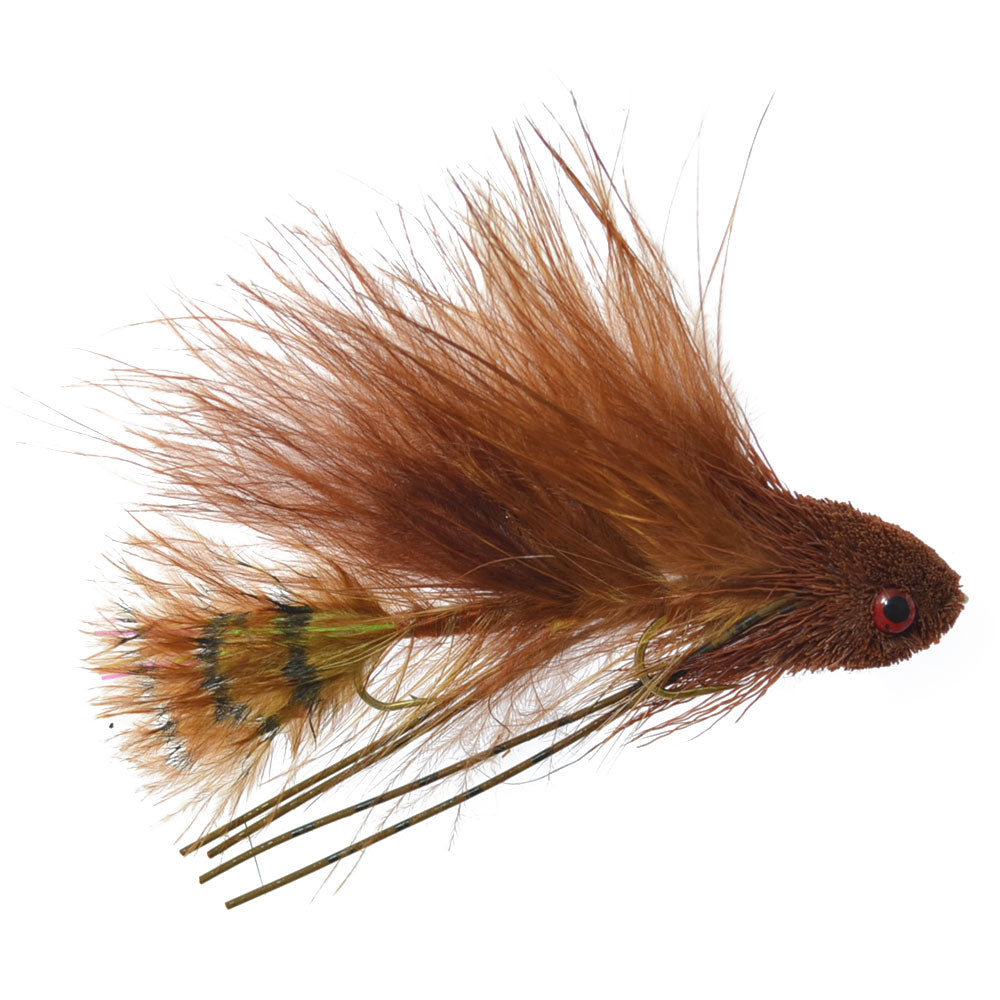
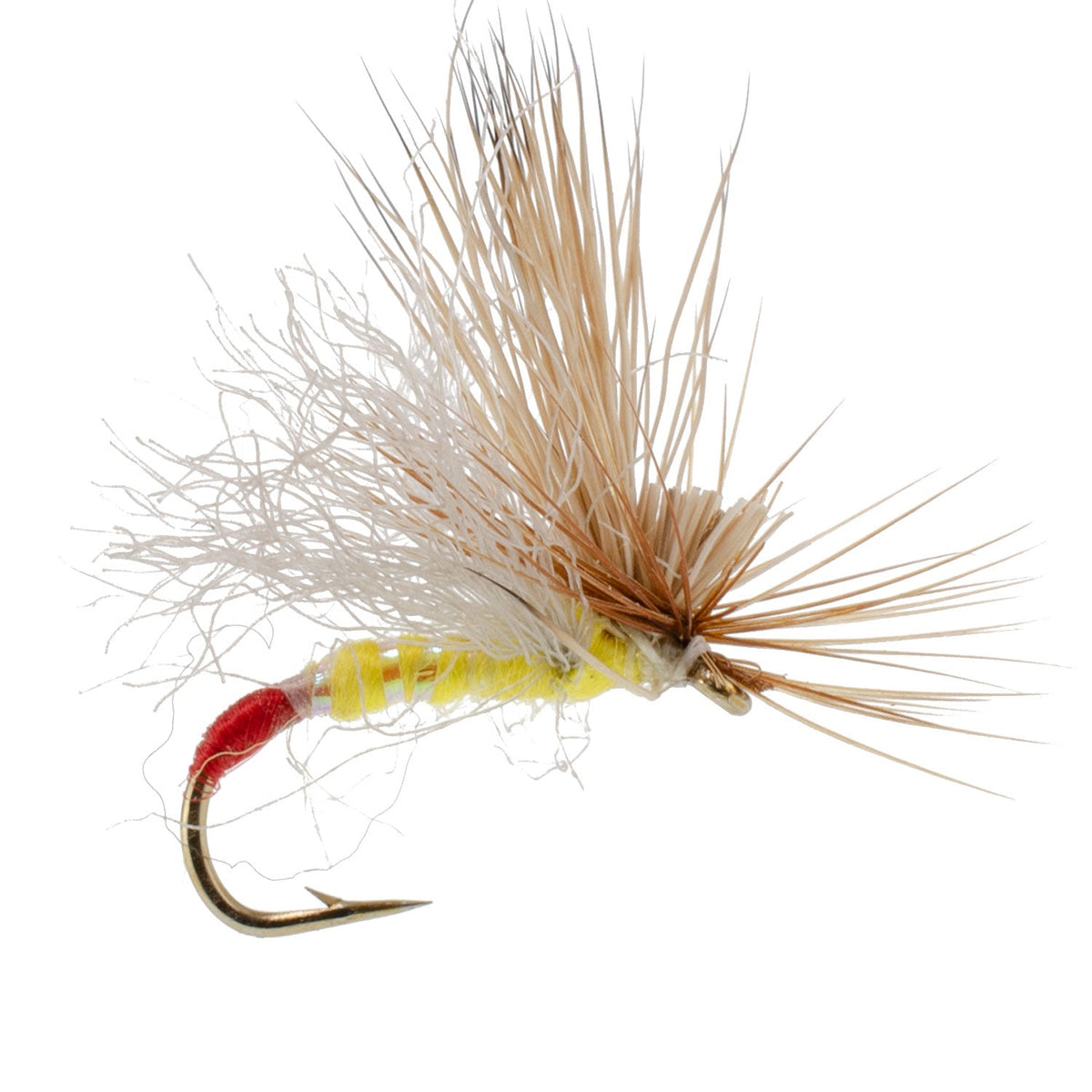
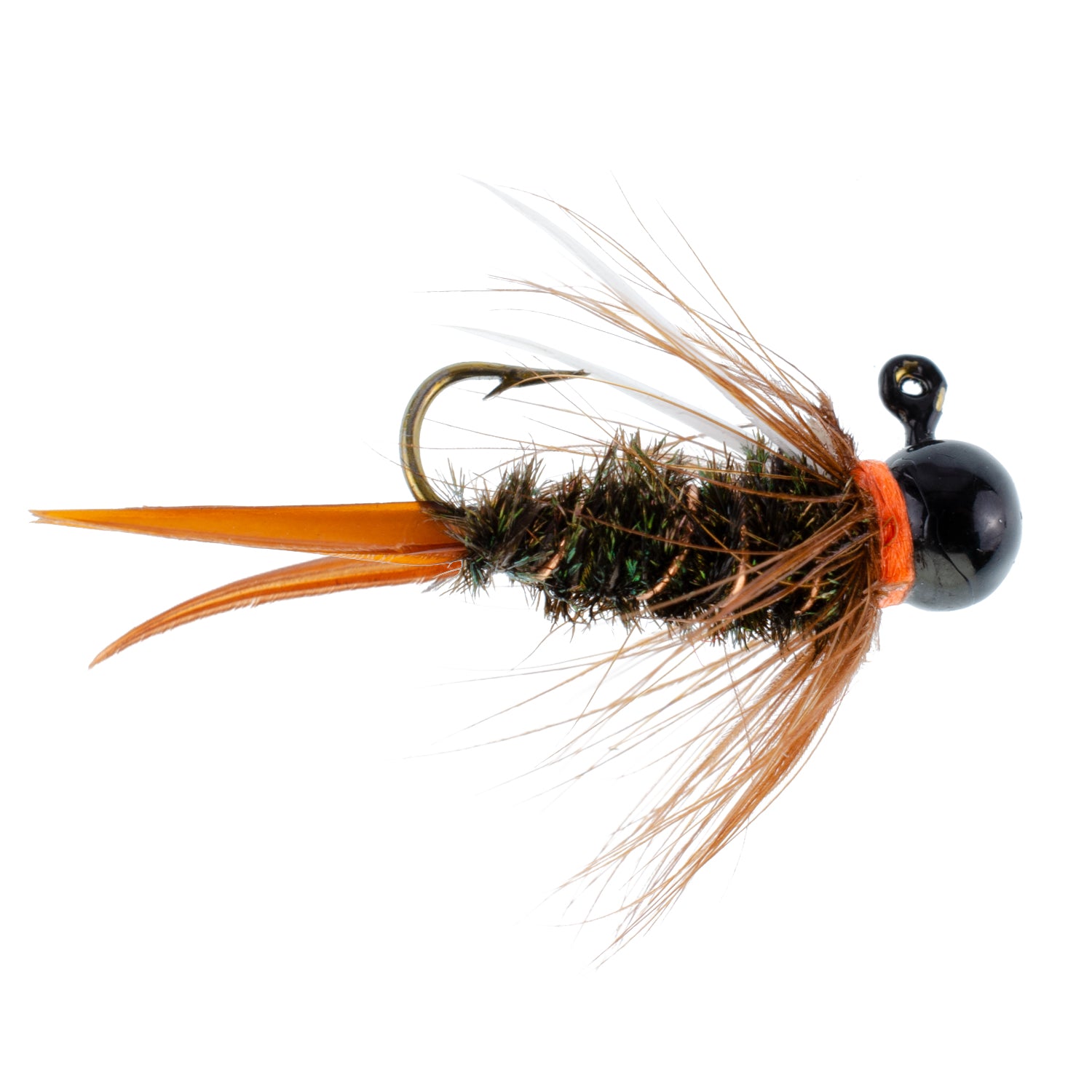
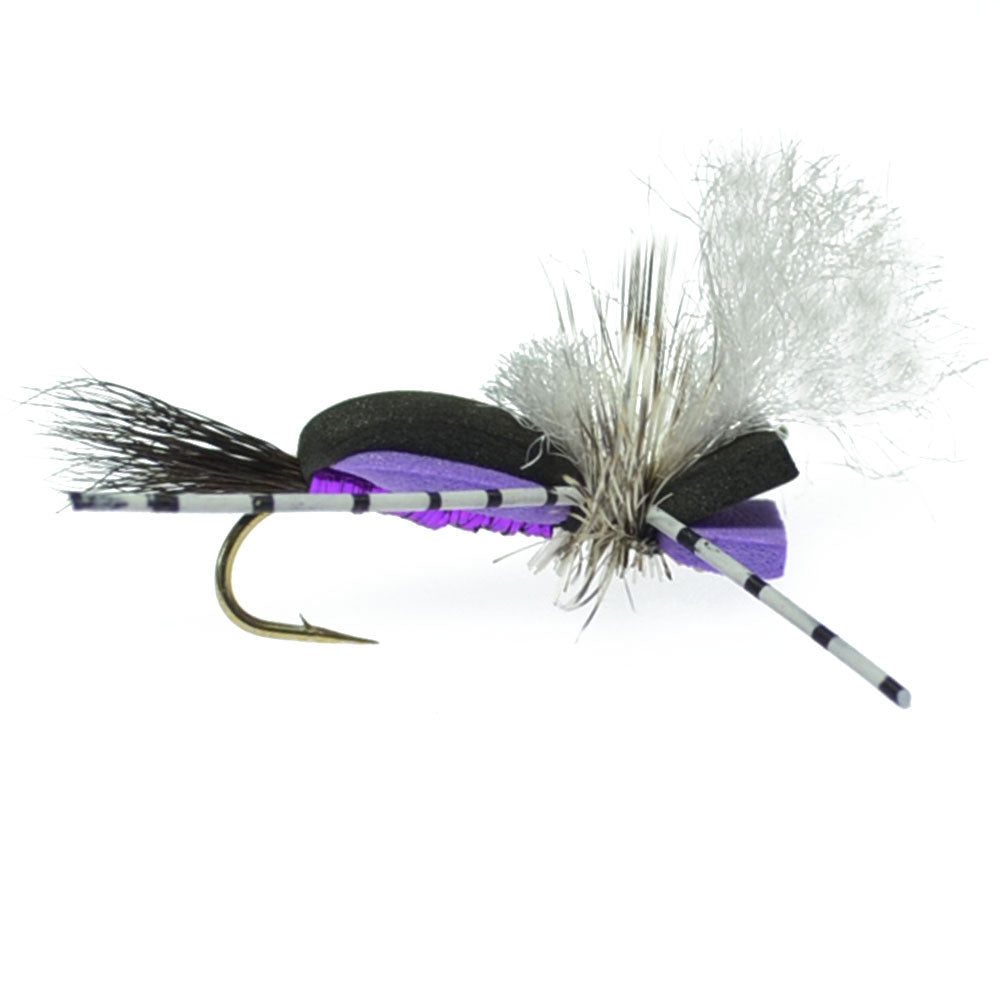
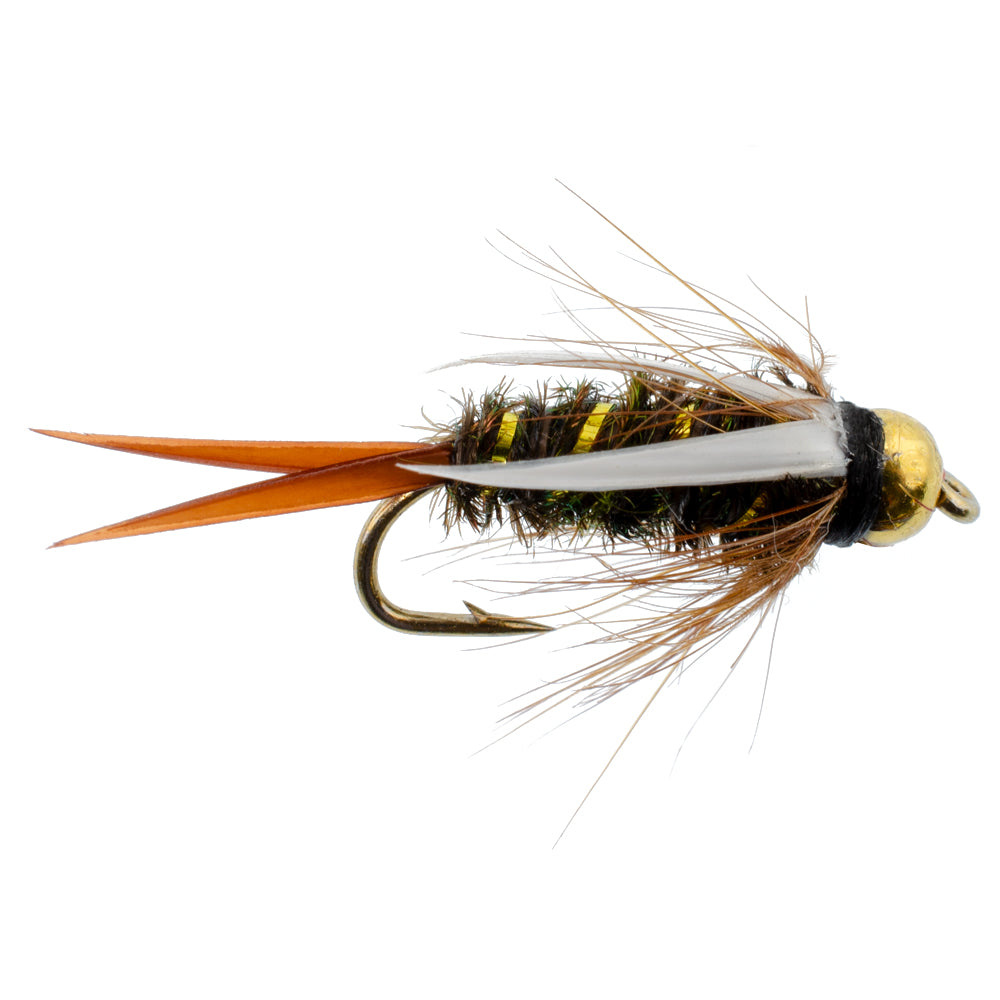
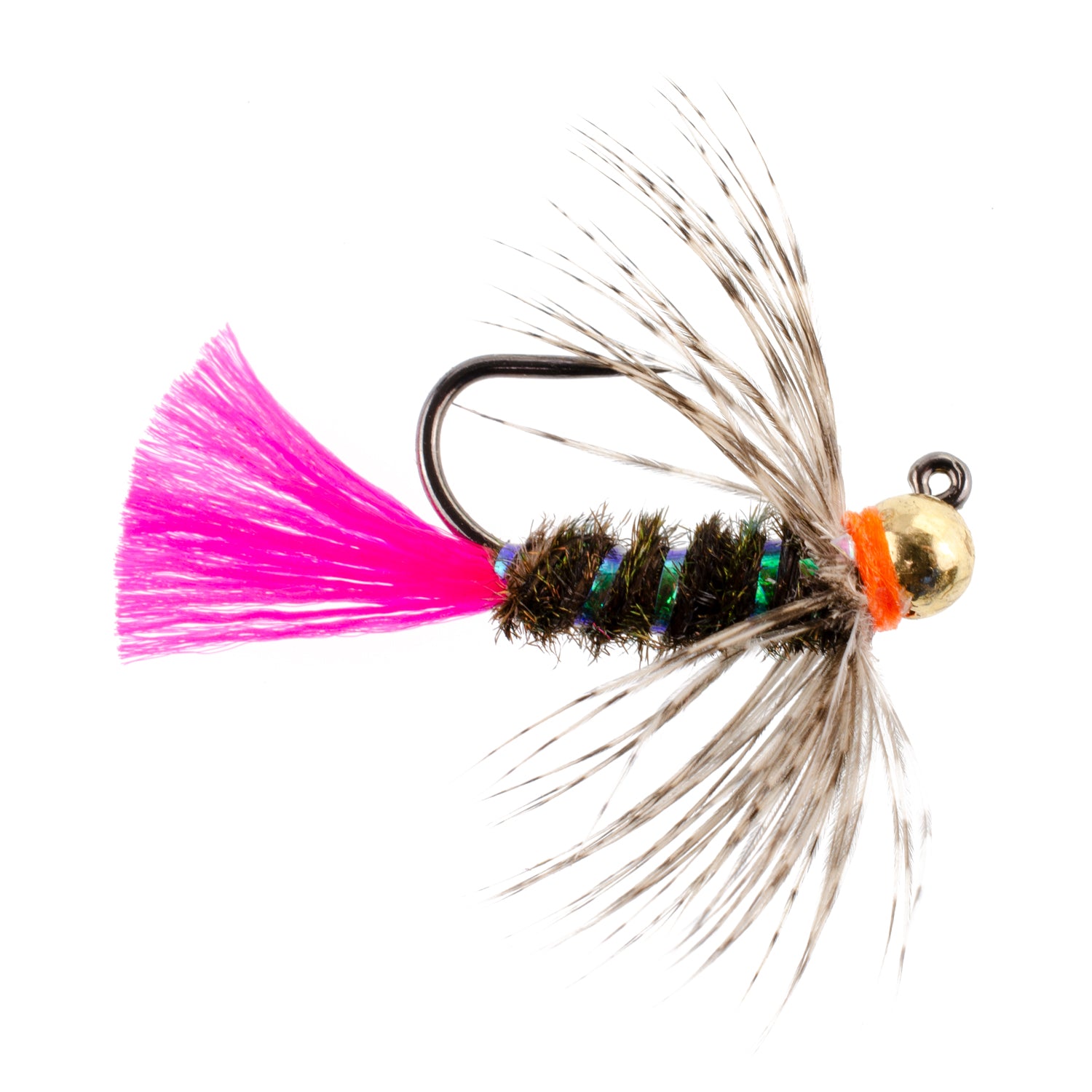
Shop by type: dry flies, nymphs, Euro nymphs, hoppers and terrestrials, streamers.
The river
Hat Creek has a split personality that makes it one of the most interesting rivers in California to understand and fish. The upper sections near Lassen are a classic freestone stream - rocky, fast, and relatively forgiving by spring creek standards. As the river moves into the Burney Basin and the Wild Trout section, spring inputs cool and clarify the water and the character transitions toward the flat, weedy, technical water that defines the river's reputation. The Wild Trout section has both faster riffled water and flat, glassy pools - a combination that requires anglers to shift tactics and approaches within the same day.
Wild rainbow trout are the fish of the Wild Trout reach, with brown trout in the deeper water. They live well on the insects the springs support. In the riffle below the powerhouse a good caddis will still find a willing fish. On the Carbon Flats the same fish may study a fly for a long time. That is Hat Creek in a day: a little forgiveness in the fast water, and none at all on the glass.
The caddis hatches on Hat Creek are the river's defining characteristic - dense, reliable evening hatches from spring through fall that bring fish up across the full width of the river in the flatter sections and produce the kind of consistent surface action that makes Hat Creek one of the most productive dry-fly rivers in California for the angler who times the visit to the evening hatch window. The proximity of Hat Creek to the Fall River and McCloud makes the Burney Basin an ideal multi-day destination - different water types, different access requirements, and different peak seasons that complement each other across a long trip.
Year at a glance
| Month | Primary hatches | Also carry | Typical sizes |
|---|---|---|---|
| Jan | Midges, BWO | Small nymphs | Midge 20-26, BWO 18-22 |
| Feb | Midges, BWO | Small nymphs | Midge 20-26, BWO 18-22 |
| Mar | BWO, early caddis, midges | Small nymphs, stonefly nymphs | BWO 16-20, caddis 14-16 |
| Apr | Caddis, BWO, midges | PMD start, stonefly nymphs | Caddis 14-16, BWO 16-20 |
| May | Caddis, PMD, BWO | Yellow sally, golden stone | Caddis 14-16, PMD 16-18 |
| Jun | Caddis, PMD, golden stone | Yellow sally, ants | Caddis 14-16, PMD 16-18 |
| Jul | Caddis, hoppers, PMD | Ants, beetles, yellow sally | Caddis 14-16, hopper 8-12 |
| Aug | Caddis, hoppers, PMD | Ants, beetles, trico | Hopper 8-12, caddis 14-16 |
| Sep | BWO, caddis, hoppers | Mahogany dun, ants | BWO 16-20, hopper 8-12 |
| Oct | BWO, caddis, midges | Mahogany dun, small nymphs | BWO 16-20, caddis 14-16 |
| Nov | BWO, midges | Small nymphs | BWO 18-20, midge 20-26 |
| Dec | Midges, BWO | Small nymphs | Midge 20-26, BWO 18-22 |
January - February
The spring-influenced flows of the Wild Trout section keep Hat Creek fishable through winter. January and February are midge and BWO months - overcast winter afternoons in the Burney Basin can produce good surface activity in the flatter sections of the Wild Trout reach. The roadside access along Highway 89 makes winter access straightforward without the snow complications that affect more remote Northern California fisheries. The winter Hat Creek with midging fish and no other anglers is quiet, accessible, and rewarding for the patient dry-fly angler.
- Midges - 20-26. Subsurface in the deeper pools and slower runs; surface on midge clusters when fish are dimpling.
- BWO - 18-22 on overcast afternoons. Parachute and CDC emerger styles. Fine tippet on the flat sections.
- Small nymphs subsurface in the deeper holding water.
March - April
BWO hatches strengthen through March and the caddis season begins building in April - the early caddis activity on Hat Creek is a reliable signal that the prime season is approaching. Stonefly nymphs subsurface through April in the faster riffle sections. PMDs begin on the warmer afternoons by late April in the flatter Wild Trout sections. The spring Hat Creek before the summer crowds is uncrowded and productive with good hatch variety and easy Highway 89 access throughout the Wild Trout reach.
- BWO - 16-20 on overcast afternoons. The dominant early spring dry-fly pattern.
- Midges throughout - 20-24.
- Caddis - 14-16 building through April. Evening activity increasing toward the prime season.
- Stonefly nymphs subsurface in the faster sections.
- Late April: PMD start - 16-18 on the flatter Wild Trout sections.
May - June
Prime caddis season on Hat Creek. The evening caddis hatches in May and June are among the finest in Northern California - dense, reliable hatches in the flat sections of the Wild Trout reach with fish rising across the full width of the river as the light fades. PMDs build through May mornings. Golden stones in the faster riffle and pocket water sections through June. The combination of PMD mornings and caddis evenings in June with the Lassen foothills as backdrop is Hat Creek at its most complete. Plan evening arrival to maximize the caddis window.
- Caddis - 14-16 evenings. The signature Hat Creek hatch. Dense reliable evening activity May through summer.
- PMD - 16-18 mornings and midday on the flatter Wild Trout sections.
- Golden stone - 6-10 in the faster riffle sections through June.
- Yellow sally - 14-16 in the riffles on warm afternoons.
- BWO on overcast days through May.
July - August
Summer on Hat Creek is evening caddis and hopper fishing. The caddis hatches remain reliable through July and August - the most consistent dry-fly opportunity of the summer day. Hoppers along the meadow and brushy margins from July through August. PMDs continue through July mornings on the flatter sections. Ants and beetles midday. The Highway 89 access and Burney area services make Hat Creek an easy summer day trip or basecamp for exploring the full Burney Basin cluster. Fish the morning PMDs, rest through midday, and be on the water for the evening caddis - the optimal summer Hat Creek rhythm.
- Caddis - 14-16 evenings. The most consistent surface fishing of the summer day on Hat Creek.
- PMD - 16-18 mornings through July on the flatter sections.
- Hoppers - 8-12 along the meadow and brushy margins July through August.
- Ants and beetles midday - 16-18.
- Yellow sally - 14-16 in the riffles through July.
September - October
Fall is outstanding on Hat Creek. BWO return strongly with the cooling Burney Basin temperatures - excellent afternoon olive hatches in the flat Wild Trout sections with minimal pressure after Labor Day. Hoppers through mid-September. Mahogany duns on overcast afternoons. Caddis evenings through October. The Hat Creek Wild Trout section in fall with BWO hatches and the Lassen foothills in autumn color is one of Northern California's finest seasonal fly fishing experiences. Nature Conservancy permit access to the adjacent Fall River is also more available in fall - the two rivers together make an outstanding September week.
- Hoppers through mid-September - 8-12.
- BWO - 16-20 on overcast afternoons. The dominant fall hatch. CDC emerger and parachute styles.
- Mahogany dun - 14-16 on overcast afternoons.
- Caddis - 14-16 evenings through October. Reliable into late fall.
- Ants through mid-September.
November - December
BWO and midges as the season closes. The spring-influenced flows keep Hat Creek productive into November with strong BWO hatches and virtually no pressure. Highway 89 access remains open through most winters making Hat Creek one of the most accessible late-season wild trout rivers in Northern California. December midge fishing in the deeper Wild Trout section pools is available for the committed angler within easy reach of Burney.
- BWO - 18-20 on overcast afternoons through November.
- Midges - 20-26 throughout. Subsurface and surface when fish are dimpling.
- Small nymphs subsurface in the deeper holding water.
A western dry and nymph assortment covers the core season - weight your caddis selection heavily and carry golden stone patterns for May and June. Fine tippet down to 5X-6X for the flat Wild Trout sections. Hat Creek is the most accessible of the Burney Basin trio - roadside access, good Burney area services, and reliable evening caddis hatches that deliver consistent surface action through the long season. Fish it alongside the Fall River and the McCloud River for the complete Northern California spring creek experience.